
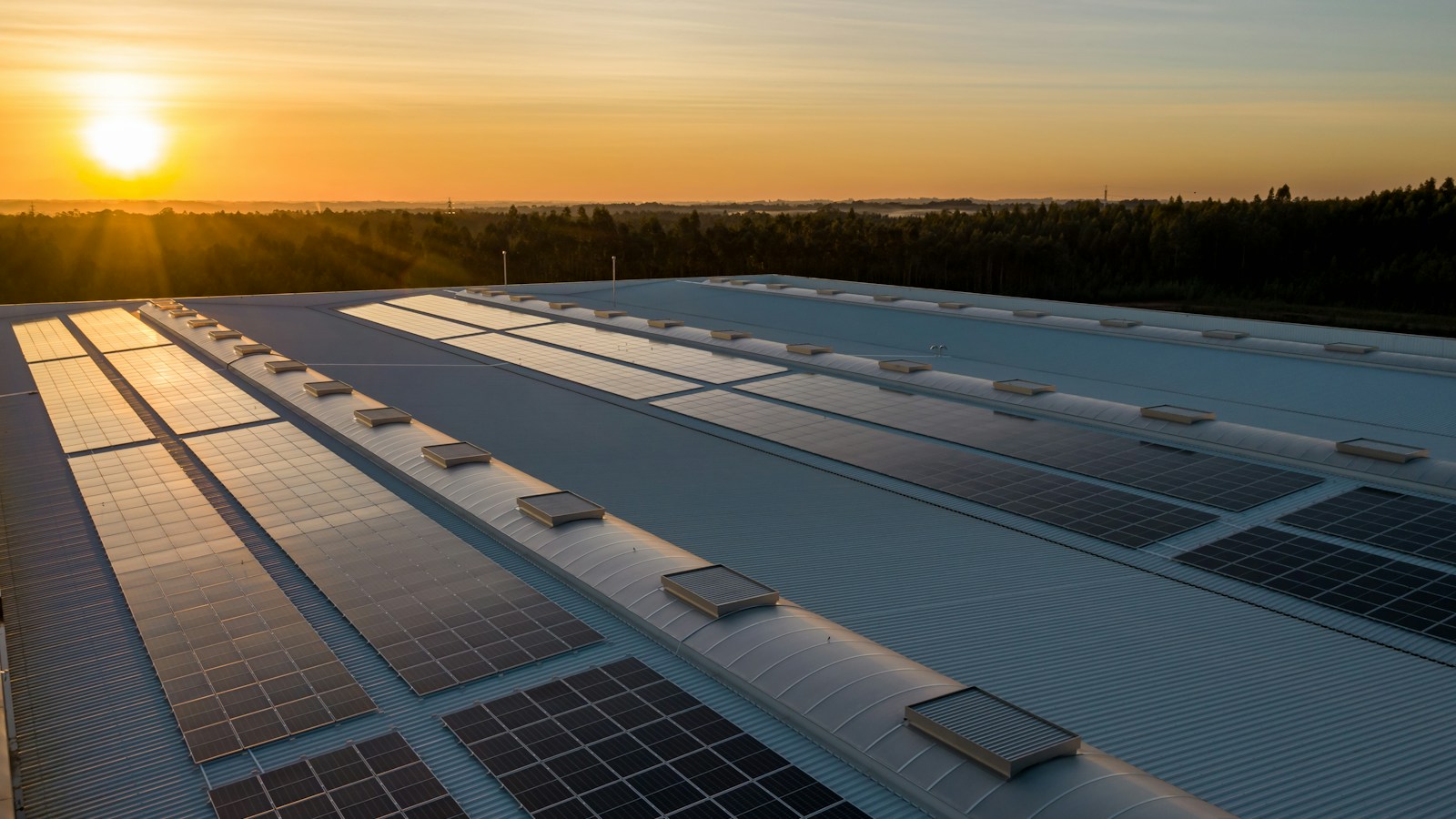
The module-level power electronics (MLPE) debate remains the central architectural decision in residential solar engineering. While both Enphase microinverters (IQ8 series) and SolarEdge DC power optimizers (S-Series paired with Home Hub inverters) fulfill NEC 690.12 rapid shutdown mandates and eliminate string-level shading bottlenecks, their physical execution is polar opposite. Mounting solid-state inverters on 140°F rooftop decks introduces severe thermal stress, while central string inverters introduce high-voltage DC conduit runs and single-point-of-failure vulnerabilities.
What Is the Difference Between Microinverters and DC Power Optimizers in 2026?
The core difference between microinverters and DC power optimizers is the location of direct current (DC) to alternating current (AC) power inversion. Microinverters convert DC electricity to 240V AC directly at the back of each individual solar panel on the roof. DC optimizers adjust DC voltage at each panel to maximize power point tracking (MPPT), but send high-voltage DC down to a single central inverter on the ground for AC conversion.
For more than a decade, solar installers pitched basic string inverters where panels were wired in series like Christmas tree lights. If a single panel was shaded by a chimney or soiled by bird droppings, the current of the entire string plummeted to match the weakest link.
Both Enphase microinverters and SolarEdge DC optimizers solved this classic “Christmas light problem” through Module-Level Power Electronics (MLPE). However, as explored in our engineering breakdown of Solar Microinverters vs String Inverters & Optimizers, the electrical and thermal trade-offs between converting power on the roof versus on the ground dictate system longevity over a 25-year operational lifecycle.
Thermal Stress: The 140°F (60°C) Rooftop Environment
The primary engineering objection to microinverters has always been thermal environment. On a sweltering July afternoon, the dark space beneath a solar panel on an asphalt shingle roof frequently reaches 140°F to 160°F (60°C to 71°C).
Electronic components—specifically electrolytic capacitors and power transistors—degrade exponentially under prolonged thermal stress. How do Enphase and SolarEdge engineer around this?
- Enphase IQ8 Microinverter Strategy: Enphase completely eliminated failure-prone electrolytic capacitors from the IQ8 architecture, utilizing solid-state ceramic capacitors and custom Application-Specific Integrated Circuits (ASICs). Encased in potted polymeric enclosures with IP67 sealing, IQ8 units are rated to operate at ambient temperatures from -40°C to +65°C (-40°F to 149°F) and are backed by an industry-leading 25-year manufacturer warranty.
- SolarEdge Optimizer & Central Inverter Strategy: SolarEdge places only a simple DC-DC buck-boost converter circuit on the roof (the S-Series optimizer, which also carries a 25-year warranty). The complex AC inversion electronics, cooling fans, and electrolytic capacitors reside in the wall-mounted Home Hub inverter in the garage or exterior wall. However, central string inverters carry only a 12-year standard warranty, meaning homeowners must factor in an inevitable inverter replacement between years 10 and 15.
| System Metric | Enphase IQ8 Microinverters | SolarEdge Home Hub + S-Series Optimizers |
|---|---|---|
| Inversion Location | Rooftop (Under each panel) | Wall-Mounted Central Inverter (Ground/Garage) |
| Rooftop Voltage | Low Voltage AC (240V AC max) | High Voltage DC (380V – 480V DC nominal) |
| Single Point of Failure | Zero (N+1 Distributed Architecture) | Yes (Central Inverter failure halts whole array) |
| NEC 690.12 Rapid Shutdown | Inherent (No AC voltage = zero DC current) | SafeDC 1V per module shutdown signal |
| Shading & Soiling Resilience | Independent MPPT per module | Independent MPPT per module |
| System Warranty | 25 Years standard on all units | 25 Years (Optimizers) / 12 Years (Central Inverter) |
| Off-Grid Sunlight Backup | Yes (IQ8 Sunlight Backup without battery) | Requires battery or dedicated generator |
High-Voltage DC vs. Low-Voltage AC Safety (NEC 690.12)
The National Electrical Code (NEC 690.12) enforces strict Rapid Shutdown requirements: inside the array boundary, voltage must drop below 80 volts within 30 seconds of shutdown initiation to protect first responders combating residential fires.
With Enphase microinverters, high-voltage DC does not exist beyond the 4-foot factory lead wires of the solar module itself. The moment AC grid power drops, microinverters cease pulsing, dropping rooftop DC potential to under 40 volts instantly. No high-voltage DC conduit traverses your attic or living space.
SolarEdge complies via its SafeDC™ architecture: when the central inverter shuts down, each S-Series optimizer automatically throttles its output to a harmless 1 volt DC. A string of 20 panels drops to 20 volts DC. While fully code-compliant, the system still runs DC conductors through your building envelope during normal operation.
Sunlight Backup Without a Battery: The IQ8 Innovation
A game-changing technical differentiator for Enphase’s IQ8 series is Sunlight Backup. As detailed in our breakdown of Running Solar During Grid Outages Without a Battery, legacy inverters immediately shut down during an outage due to anti-islanding mandates (IEEE 1547).
Enphase IQ8 microinverters feature internal frequency-forming microgrid circuits. When paired with an Enphase System Controller, the IQ8 array can form an independent 60 Hz microgrid powered directly by daytime sunlight, supplying up to 4 dedicated critical backup circuits (refrigerators, phone chargers, routers) even if you do not own a stationary battery.
While SolarEdge DC power optimizers offer a slight cost advantage on large, simple roof layouts, Enphase microinverters represent the superior long-term electrical architecture for homeowners. With zero high-voltage DC running through your attic, complete immunity to central inverter failures, a full 25-year warranty across every active component, and sunlight-only islanding capability, the IQ8 platform remains the gold standard in residential solar engineering.