
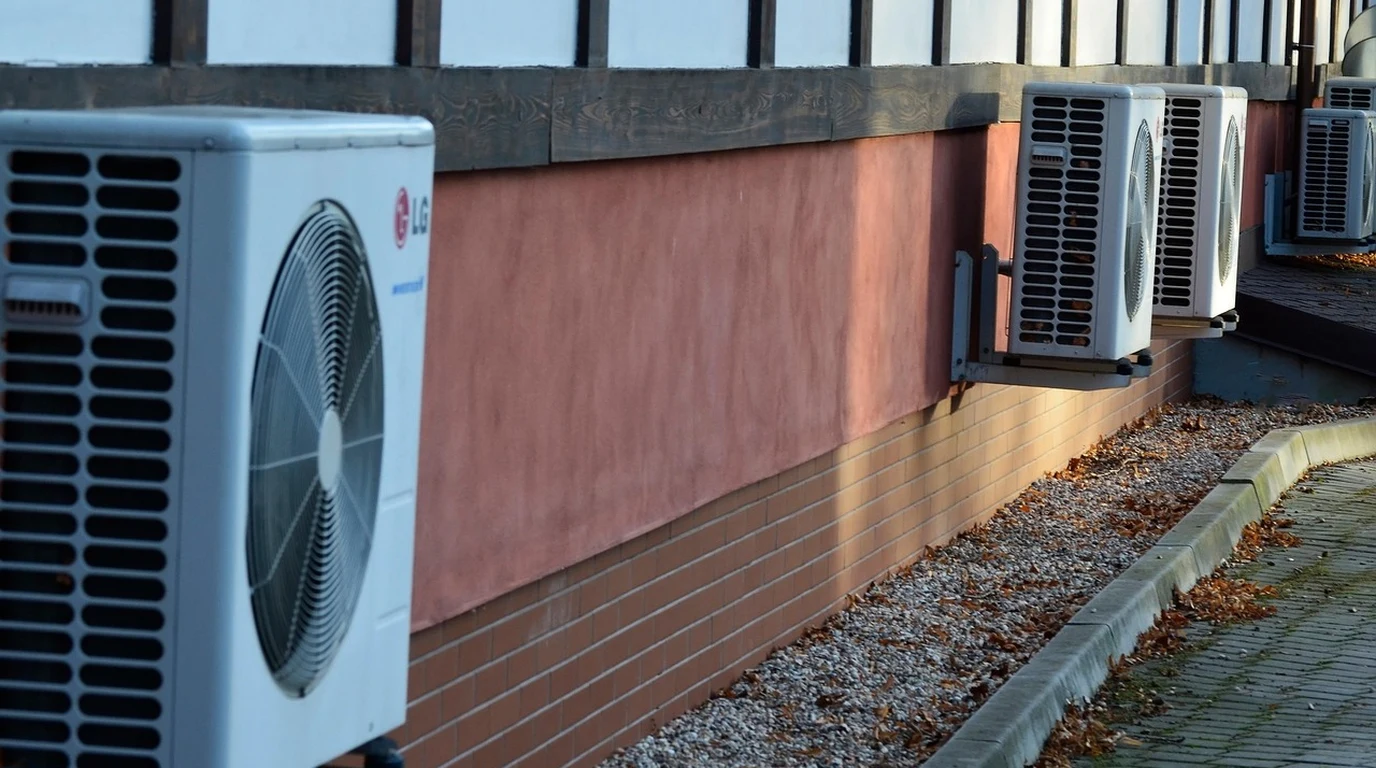
For homeowners across Canada and the northern United States contemplating abandoning fossil fuel heating, the primary point of anxiety centers on extreme winter temperatures. Traditional heating contractors frequently perpetuate the outdated myth that air-source heat pumps become useless once outdoor temperatures plunge below freezing, forcing homes onto expensive, inefficient electric resistance strips. However, modern Cold-Climate Air-Source Heat Pumps (ccASHPs) engineered with inverter-driven variable-speed vapor injection scroll compressors have fundamentally rewritten thermodynamic realities. Even when outdoor ambient air reaches -25°C (-13°F), cold-climate units continue extracting sensible thermal energy from the atmosphere. Here is Graham Ward’s forensic engineering analysis of heat pump Coefficient of Performance (COP) curves at -25°C, thermodynamic capacity derating, and the seasonal heating cost economics compared to natural gas and heating oil.
Can Modern Cold-Climate Heat Pumps Effectively Heat at -25°C?
The engineering secret behind cold-climate heat pumps lies in Enhanced Vapor Injection (EVI) Compressors. In standard compressors, compressing low-density refrigerant at sub-zero temperatures causes excessive compressor discharge temperatures and lubricant breakdown, forcing the system to shut down. EVI technology injects an intermediate-pressure subcooled vapor refrigerant stream directly into the compression cycle, cooling the compressor while boosting mass flow rate, allowing sustained high heat output in brutal polar vortex conditions.
Thermodynamic Analysis: COP Degradation Across Temperature Tiers
To evaluate real-world heating economics, we must model how thermal capacity and electrical efficiency modulate across seasonal winter temperature bands:
| Outdoor Ambient Temp | Average COP (Heat Output / Electric Input) | Available Capacity (% of Rated 47°F BTU) | Effective Heating Efficiency |
|---|---|---|---|
| +8.3°C (+47°F Mild) | COP 3.80 to 4.40 | 100% to 110% (Modulated down) | 380% to 440% Efficiency |
| -8.3°C (+17°F Moderate) | COP 2.60 to 3.10 | 85% to 92% Full Capacity | 260% to 310% Efficiency |
| -15.0°C (+5°F Cold) | COP 2.10 to 2.40 | 75% to 82% Full Capacity | 210% to 240% Efficiency |
| -25.0°C (-13°F Deep Freeze) | COP 1.65 to 2.05 | 62% to 74% Sustained Output | 165% to 205% Efficiency |
| -30.0°C (-22°F Polar Limit) | COP 1.35 to 1.55 | 50% to 58% Minimum Output | 135% to 155% Efficiency |
Notice the vital takeaway: even at -30°C, the cold-climate heat pump operates at 135% to 155% efficiency. Compare this to an electric baseboard heater or furnace strip element, which is physically capped at 100% efficiency (COP 1.0). The heat pump still delivers 35% to 55% more thermal heat per dollar of electricity than any resistive heater on Earth.
Manual J Sizing Architecture and the Thermal Balance Point
The primary reason homeowners experience cold indoor temperatures during extreme winter events is improper HVAC sizing. Historically, residential furnaces were vastly oversized (installing a 100,000 BTU gas furnace in a home with a 45,000 BTU heat loss). With heat pumps, oversizing is detrimental because it leads to rapid short-cycling in shoulder seasons (spring and fall), destroying seasonal efficiency and dehumidification.
High-performance HVAC designers size systems based on a strict Manual J Heating Load Calculation combined with determining the home’s Thermal Balance Point. The thermal balance point is the precise outdoor temperature at which the heat pump’s declining heating output curve intersects the building’s escalating heat loss curve:
- Unassisted Balance Point: In a well-insulated modern Canadian home (R-60 attic, R-24 walls, triple-pane windows), a properly sized 3-ton ccASHP can maintain the thermal balance point down to -18°C without auxiliary backup.
- Supplemental Auxiliary Strips: Below the balance point (between -18°C and -25°C), the heat pump does NOT turn off. It continues delivering its full 22,000 BTUs of base heat at COP 1.8, while a staged 5 kW or 8 kW auxiliary electric strip element cycles on to provide the incremental 15,000 BTUs needed to satisfy the thermostat setpoint.
Defrost Cycle Dynamics and Outdoor Coil Freezing
When operating in high-humidity winter conditions near freezing (-2°C to +3°C), outdoor moisture condenses onto the sub-zero evaporator coil, forming a layer of frost that restricts airflow. Cold-climate systems manage this via automated Demand Defrost Cycles.
Inferior entry-level heat pumps utilize dumb timed defrost (reversing the refrigerant cycle every 60 or 90 minutes regardless of ice buildup), wasting significant energy. Elite cold-climate units utilize dual temperature and pressure sensors to trigger defrost only when frost restriction is physically detected. Furthermore, cold-climate outdoor units feature factory-installed Base Pan Heaters (100W–150W PTC heating cables) that prevent melting defrost condensation from refreezing into a solid block of ice at the bottom of the chassis, protecting the fan blades from catastrophic mechanical damage.
Forensic Fuel Cost Comparison: Heat Pump vs Gas vs Oil
To evaluate financial operating costs, we calculate the delivered cost per 100,000 BTUs (1 therm) of thermal heat across utility fuel rates:
- Natural Gas (96% High-Efficiency Furnace): At $0.45 per cubic meter of gas, delivering 100,000 BTUs costs approximately $1.26.
- Heating Oil (85% Boiler): At $1.65 per liter of oil, delivering 100,000 BTUs costs approximately $5.02.
- Heat Pump at -25°C (COP 1.85): At $0.12/kWh electricity, delivering 100,000 BTUs costs approximately $1.90.
- Heat Pump Seasonal Average (COP 3.10): Across the entire winter season, delivering 100,000 BTUs costs approximately $1.13.
While natural gas remains competitive at extreme sub-zero peaks in regions with ultra-cheap gas, replacing expensive heating oil or propane with a cold-climate heat pump slashes annual winter heating bills by over 60%, delivering rapid capital payback within four to six heating seasons.