
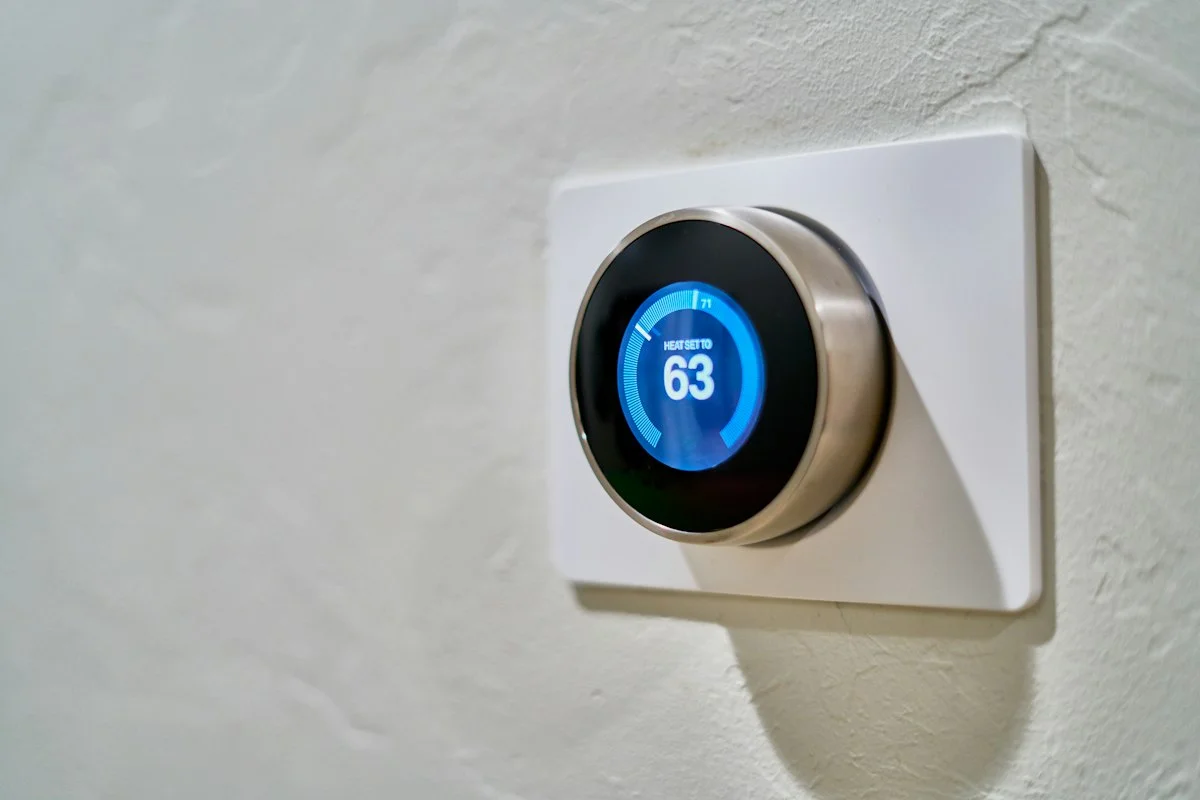
Nothing causes greater outrage among new heat pump owners than opening a January electricity bill and seeing an unexpected $800 to $1,200 charge. In almost every case, the culprit is not the heat pump compressor—it is the uncalibrated activation of electric resistance auxiliary heat strips. With a Coefficient of Performance (COP) of exactly 1.0, auxiliary heat strips consume 10 to 20 kilowatts of raw electricity per hour, functioning like an array of commercial clothes dryers firing continuously in your air handler.
When properly commissioned, modern cold-climate inverter heat pumps maintain a COP of 1.8 to 2.5 even at -15°C to -25°C. However, if smart thermostat settings are left at factory defaults, the thermostat will engage emergency electric heat strips whenever indoor temperatures lag by just 1°C, bypassing the ultra-efficient compressor and obliterating seasonal energy savings.
What Is a COP of 1.0 and Why Does It Cause Bill Shock?
Consider the electrical draw: a typical 15 kW auxiliary heat kit draws 62.5 amps of electricity at 240 volts. Running continuously for 12 hours on a cold winter day consumes 180 kWh of energy. At Canadian winter utility peak rates ($0.18–$0.24 per kWh), running heat strips alone adds $32 to $43 per day to your utility bill.
| Heating Mode | Thermodynamic COP | Hourly Electrical Demand | Cost Per 100,000 BTUs (@ $0.20/kWh) |
|---|---|---|---|
| Inverter Heat Pump (Mild: 2°C) | 3.2 – 3.8 COP | 1.5 – 2.8 kW | $1.54 – $1.83 |
| Inverter Heat Pump (Cold: -15°C) | 1.9 – 2.4 COP | 3.2 – 4.5 kW | $2.44 – $3.08 |
| Electric Resistance Heat Strips | 1.0 COP (Pure Resistance) | 10.0 – 20.0 kW | $5.86 – $6.50 |
| Dual-Fuel Natural Gas Furnace | 0.96 AFUE (Condensing) | 0.4 kW (Blower fan only) | $1.85 – $2.20 (@ $0.55/m³ gas) |
How Do You Configure Smart Thermostat Auxiliary Heat Lockouts?
Additionally, adjust the staging differential. By default, many thermostats engage auxiliary heat if the room temperature is 1.5°C below the setpoint for more than 20 minutes. Extending this differential to 2.5°C or increasing the runtime threshold to 60 minutes allows the modulating inverter compressor to gently ramp up and satisfy the heating load without ever firing the 15 kW toaster coils.
“If your installer set your smart thermostat to ‘Auto Staging’ without measuring your home’s thermal balance point, you are throwing hundreds of dollars away every winter month. Set an explicit outdoor temperature lockout at -10°C immediately. If your heat pump is a certified cold-climate unit, it can comfortably carry your home down to -15°C without a single watt of resistance backup.”
To discover how solar arrays maintain generation throughout freezing Canadian winters without voiding warranties, read our report on Solar Panels in Winter: Snow Shedding, Rakes & Tilt Guide.