
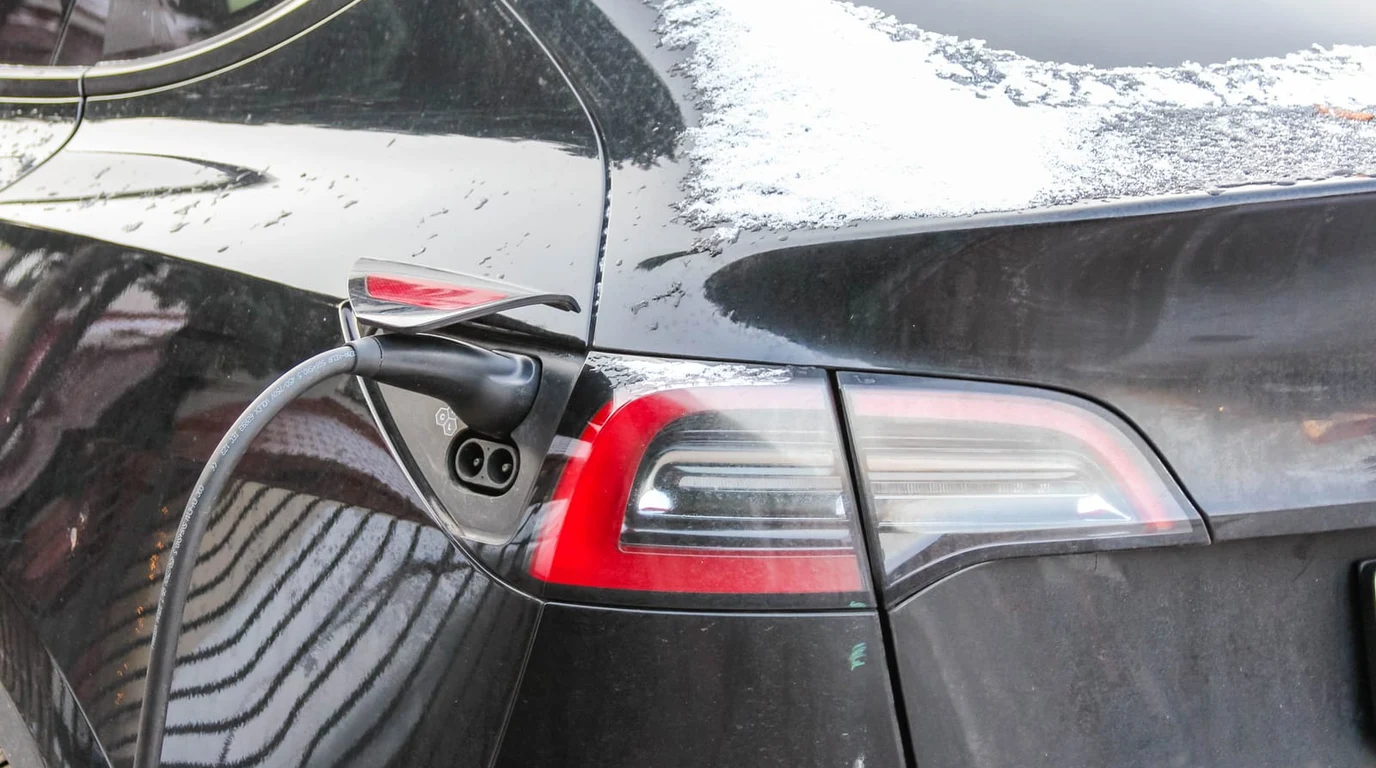
That sinking feeling. You wake up on a crisp winter morning, the thermometer outside your window stubbornly stuck below freezing. You glance at your EV’s dashboard, and instead of the familiar, comforting range figure, you’re greeted by a number that feels… deflated. Perhaps 20%, 30%, even 40% less than what you saw yesterday. A knot tightens in your stomach. Is something wrong with your car? Is this the reality of EV ownership in winter? You’re not alone in that frustration, that anxiety about making it to your destination, or the quiet calculation of whether that planned trip is still feasible without an unplanned charging stop.
This isn’t a fault with your vehicle; it’s a fundamental interplay of physics, chemistry, and human comfort. The cold impacts your EV in two primary, significant ways: it slows down the very chemical reactions within your battery cells, and it demands a substantial amount of energy to keep you warm. Understanding these forces, and crucially, how your car’s heating system plays into them, isn’t just academic – it’s essential for maximizing your winter range and peace of mind.
While battery chemistry inherently reduces range in cold, modern EV heat pumps significantly mitigate the additional energy drain from cabin heating compared to resistive heaters. Heat pumps offer 2-3x better efficiency, harvesting waste heat to preserve precious battery capacity, making them a critical differentiator for winter EV performance and range retention.
Why Does My EV Lose So Much Range When It’s Cold Outside? It’s Not Just the Heater.
Let’s pull back the curtain on what’s really happening when the mercury drops. The common misconception is that the heater is solely to blame for winter range loss. While it’s a major contributor, it’s only half the story. The other, often overlooked, half is rooted in the very heart of your electric vehicle: the lithium-ion battery pack itself.
Think of your battery as a tiny chemical factory. Inside each cell, lithium ions move between the anode and cathode through an electrolyte. This movement is what generates electricity. When temperatures plummet, this chemical process slows down dramatically. The electrolyte becomes more viscous, and the internal resistance of the cells increases. It’s like trying to run through treacle instead of water. This increased resistance means that for the same amount of power output, the battery has to work harder, generating more internal heat (which is wasted energy) and delivering less usable energy to the motors and accessories. This phenomenon alone can account for a significant portion of your observed range reduction, independent of any cabin heating demands.
Furthermore, the battery management system (BMS) in your EV is incredibly sophisticated. In very cold conditions, the BMS will actively limit the power available from the battery to protect it from damage. Charging rates are often reduced, and regenerative braking can be significantly curtailed or even unavailable until the battery warms up. This means less energy recovered during deceleration, further impacting overall efficiency.
Now, layer on top of this the immense energy required to keep a car cabin warm. Unlike an internal combustion engine (ICE) vehicle, which has an abundance of waste heat from its engine to warm the cabin for “free,” an EV is inherently much more efficient. This efficiency is a double-edged sword in winter: there’s very little waste heat to tap into. Consequently, any heat for the cabin must be generated directly from the battery’s stored energy, and this is where the type of heating system becomes critically important.
What’s the Real Difference Between a Heat Pump and a Resistive Heater in an EV?
This is where the “costly trap” often lies. Many assume all EV heating systems are created equal, or that the difference is marginal. Nothing could be further from the truth. The choice between a traditional Positive Temperature Coefficient (PTC) resistive heater and a modern heat pump system is perhaps the single most impactful design decision for an EV’s winter performance, second only to battery chemistry itself.
The Legacy Approach: Resistive (PTC) Heaters – The Electric Kettle Analogy
Most early EVs, and many budget-conscious models today, rely on PTC resistive heaters. These work on a very simple principle: electricity passes through a resistive element, generating heat. Think of it like a giant electric kettle or a toaster. For every unit of electrical energy consumed, you get roughly one unit of heat energy in return. This is expressed as a Coefficient of Performance (COP) of approximately 1.0. It’s straightforward, reliable, and relatively inexpensive to implement.
However, this simplicity comes at a significant cost to your range. To maintain a comfortable cabin temperature in freezing conditions, a PTC heater can easily draw anywhere from 3 kW to 6 kW continuously. To put that into perspective, driving at highway speeds might consume 15-20 kW for propulsion. If your heater is pulling 5 kW, that’s effectively like adding another 25-33% to your total energy consumption, purely for comfort. This direct, one-to-one conversion of battery energy to heat is the primary reason why EVs with PTC heaters experience such dramatic range drops in winter.
The Modern Solution: Heat Pumps – The Refrigerator in Reverse
Modern EVs, particularly those designed for global markets with diverse climates (like Tesla’s Octovalve system, Hyundai/Kia’s advanced heat pump, or VW’s ID.4), employ sophisticated heat pump technology. A heat pump doesn’t generate heat directly; instead, it moves heat from one place to another. It’s essentially a refrigerator or air conditioner operating in reverse.
Here’s the magic: even in cold ambient air, there’s still thermal energy available. A heat pump extracts this low-grade heat from the outside air, compresses a refrigerant to raise its temperature, and then transfers that heat into the cabin. Because it’s moving heat rather than creating it, a heat pump can deliver significantly more heat energy into the cabin than the electrical energy it consumes. This is why heat pumps boast COPs of 2.0, 3.0, or even higher, meaning for every 1 kW of electricity consumed, they can deliver 2 kW, 3 kW, or more of heat.
But modern EV heat pumps go a step further. They are often multi-source systems, capable of harvesting waste heat from other components that do generate heat: the electric motors, the inverter, the onboard charger, and even the battery pack itself (which warms up during discharge and charging). By intelligently routing and recovering this otherwise wasted thermal energy, these advanced systems can maintain high efficiency even when ambient temperatures drop significantly, often down to -10°C or even -20°C, before their COP starts to degrade towards 1.0 (at which point, some systems may revert to supplementary resistive heating).
The difference in energy consumption is stark. While a PTC heater might draw 5 kW, a heat pump delivering the same amount of cabin heat might only consume 1.5 kW to 2.5 kW of electrical energy from the battery, thanks to its superior COP and waste heat recovery. This translates directly into substantially better winter range retention.
| Heating System Type | Operating Principle & Key Benefit | Typical Power Consumption (Cabin Heat Only, at -10°C) | Effective COP (at -10°C) | Estimated Range Impact (Heating Only, vs. Summer) | Overall Winter Range Loss (Combined Battery & Heating) |
|---|---|---|---|---|---|
| Resistive (PTC) Heater | Direct electrical resistance generates heat. Simple, robust, but inefficient. No waste heat recovery. | 3.0 kW – 6.0 kW (continuous) | ~1.0 | 15% – 25% (significant) | 30% – 45% |
| Modern Multi-Source Heat Pump (e.g., Tesla, Hyundai/Kia, VW ID.4) | Moves heat from ambient air and recovers waste heat from powertrain components (motors, inverter, battery). Highly efficient. | 1.0 kW – 2.5 kW (effective electrical draw for equivalent heat output) | 2.0 – 3.0 (or higher, depending on conditions and waste heat availability) | 5% – 15% (moderate) | 20% – 35% |
As you can see, while both systems face the inherent challenge of colder battery chemistry, the heat pump dramatically reduces the additional burden of cabin heating. This isn’t just a theoretical advantage; it translates into real-world miles and less range anxiety for drivers in colder climates.
Does My Driving Style Affect Winter EV Range? Absolutely.
Beyond the fundamental physics of battery chemistry and the efficiency of your heating system, your driving habits play a surprisingly large role in winter range retention. Aggressive acceleration and heavy braking are always inefficient, but in cold weather, their impact is amplified. The battery struggles more to deliver peak power, and regenerative braking is often limited, meaning less energy is recaptured. Smooth, gentle driving becomes even more critical for maximizing those precious electrons.
Think of it this way: every time you stomp on the accelerator, your battery is working harder against increased internal resistance, generating more waste heat within the cells themselves. Every time you brake hard, you’re potentially losing energy that could have been recovered if the battery were warmer and more receptive to regen. A mindful driving style, anticipating traffic and maintaining consistent speeds, can shave significant percentage points off your winter range loss.
How Can I Maximize My EV’s Range in Cold Weather? Your 4-Point Winter Survival Playbook.
Understanding the science is one thing; applying it is another. Here’s a concrete, actionable playbook to help you navigate winter with confidence, regardless of your EV’s heating system type.
1. Master Scheduled Departure Preconditioning on Shore Power
This is, without question, the single most impactful action you can take. Preconditioning means warming up both the cabin and, crucially, the battery pack while your vehicle is still plugged into a charger. Your EV uses grid power to do this, not your battery’s stored energy. By the time you unplug and drive away, your battery is at an optimal operating temperature, reducing its internal resistance and maximizing regenerative braking potential. Your cabin is also toasty warm, meaning the heating system (whether PTC or heat pump) has less work to do to maintain comfort, and it starts from a position of efficiency. Schedule your departure time in your car’s app or infotainment system, and let the grid do the heavy lifting.
2. Prioritize Seat Heaters and Steering Wheel Heaters Over Cabin Air
Human bodies are most sensitive to direct radiant heat. Heating the entire volume of air in the cabin is incredibly energy-intensive. Instead, focus on heating you. Seat heaters and heated steering wheels are remarkably efficient because they directly transfer warmth to your body. They consume significantly less power (typically tens to a few hundred watts) compared to blowing hot air (which can consume several kilowatts). Use them liberally, and then set your cabin temperature lower than you normally would, or even turn off the main cabin heater once you’re comfortable. This strategy can save you substantial energy over a long drive.
3. Don’t Neglect Your Tire Pressure
This is a simple, often-overlooked tip that applies to all vehicles, but its impact is magnified in EVs where every watt-hour counts. Tire pressure drops in cold weather (approximately 1 PSI for every 10°F / 5.5°C drop in temperature). Underinflated tires increase rolling resistance, forcing your motors to work harder to maintain speed. This directly translates to reduced range. Check your tire pressure regularly, ideally once a week in winter, and inflate them to the manufacturer’s recommended PSI (found on a sticker inside your driver’s side door jamb). A properly inflated tire can improve your efficiency by several percentage points.
4. Embrace a Gentle, Anticipatory Driving Style
As discussed, aggressive driving is a range killer in cold weather. Adopt a smoother, more deliberate driving style. Accelerate gently, avoiding sudden bursts of power. Look ahead in traffic to anticipate stops and allow for gradual deceleration, maximizing the limited regenerative braking available when the battery is cold. Think of it as driving with an egg under your accelerator pedal. This not only conserves energy but also makes for a safer, more relaxed winter driving experience. On longer journeys, consider setting your cruise control slightly lower than usual, as aerodynamic drag increases with the square of speed, and fighting that drag requires more energy from an already challenged battery.
By understanding the intricate dance between battery chemistry and heating technology, and by implementing these practical strategies, you can significantly mitigate the impact of winter on your EV’s range. It’s about working with the physics, not against it, and making informed choices that empower you to enjoy your electric vehicle year-round.
Frequently Asked Questions
How much range does an EV typically lose in winter?
EVs can typically lose 20% to 40% of their rated range in cold winter conditions (around -10°C to -20°C). This loss is a combination of reduced battery efficiency due to chemical slowdown and increased energy consumption for cabin heating.
Are heat pumps in EVs really worth the extra cost for cold weather?
Yes, for drivers in cold climates, an EV with a heat pump is generally worth the extra cost. Heat pumps are 2-3 times more efficient than resistive heaters for cabin heating, significantly reducing the energy drain from the battery and preserving more range in winter conditions.
Can I improve my EV’s winter range if it has a resistive heater?
Absolutely. While a resistive heater is less efficient, you can still improve range by preconditioning your car on shore power, prioritizing seat and steering wheel heaters, maintaining correct tire pressure, and adopting a gentle, anticipatory driving style to minimize energy waste.
Does preconditioning the battery actually help with range, or just comfort?
Preconditioning the battery is crucial for range. Warming the battery to its optimal operating temperature reduces internal resistance, improves power delivery, and allows for more effective regenerative braking, all of which directly contribute to better range retention, in addition to providing cabin comfort.
EV battery chemistry directly governs discharge capacity during winter grid emergencies. For cabin heating efficiencies and thermal range retention, see our report on Enphase Bidirectional EV Charger: V2H Backup Specs.