
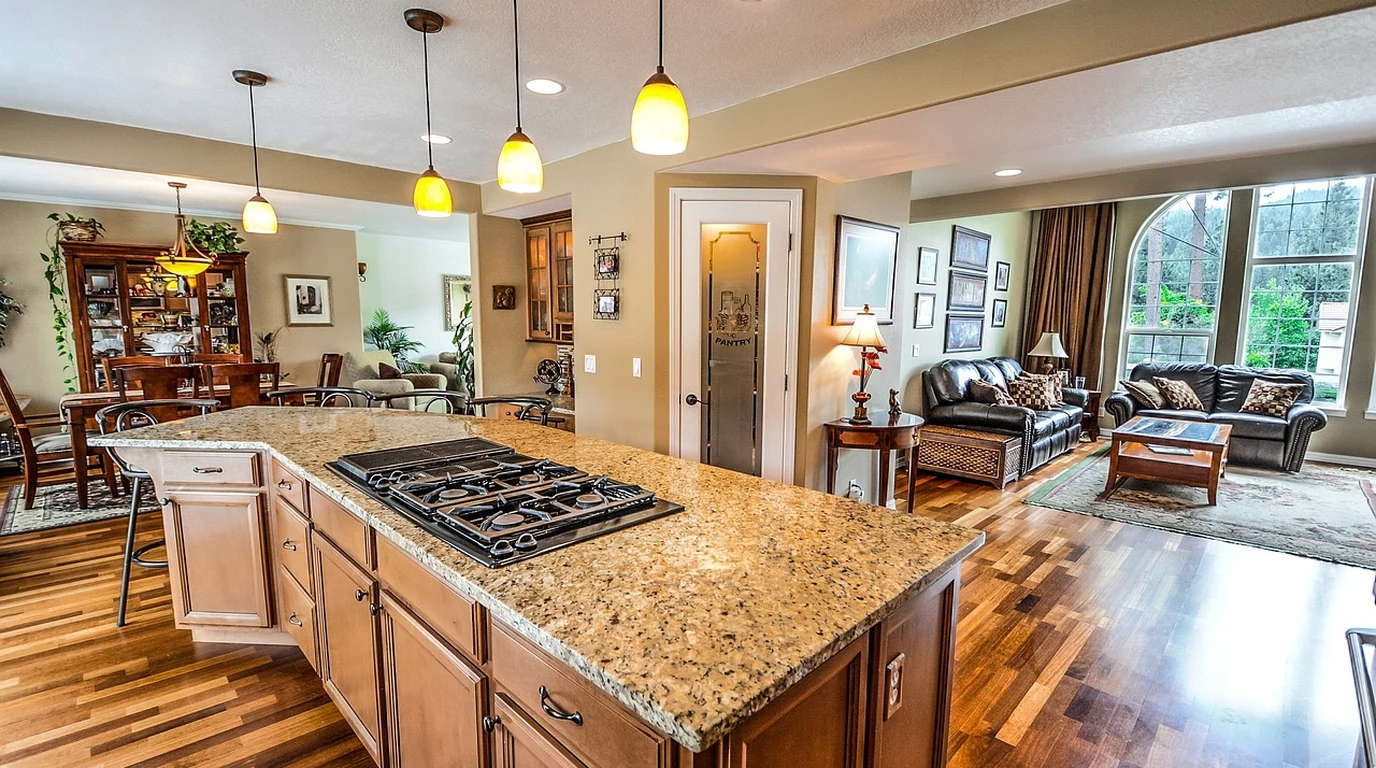
As residential electrification accelerates and municipal gas bans expand across North America, thousands of homeowners are pulling out legacy methane gas ranges and upgrading to modern induction cooking technology. The allure is undeniable: induction cooktops deliver twice the boiling speed of commercial gas burners, pinpoint thermal temperature regulation down to single-degree increments, zero toxic indoor nitrogen dioxide ($NO_2$) combustion emissions, and effortless flat-glass cleaning. However, when homeowners order a luxury 30-inch or 36-inch induction range from Bosch, Wolf, Thermador, or GE Monogram, they are frequently blindsided by the electrical reality on delivery day. Delivery technicians refuse to install the appliance because the existing kitchen wiring is insufficient, or an electrician quotes thousands of dollars to upgrade the home’s main electrical service panel. Modern induction cooking operates on electrodynamic magnetic induction requiring substantial electrical power. Understanding the differences between 40-Amp and 50-Amp Dedicated Branch Circuits, conductor gauge physics (8 AWG vs 6 AWG copper), and NEC Article 220.55 Demand Factors is essential before purchasing an induction appliance. Here is Graham Ward’s forensic electrical engineering guide to induction range wiring, circuit sizing, and electrical panel demand calculations.
What Are the Exact Electrical Requirements for an Induction Stove?
To understand why induction ranges require such heavy electrical infrastructure compared to standard electric resistance stoves, one must analyze how magnetic induction creates thermal energy. Beneath the ceramic glass cooktop sit dense copper induction coils. When energized with 240V alternating current, solid-state power inverters convert line frequency (60 Hz) into high-frequency alternating magnetic fields (typically 20 kHz to 50 kHz).
This high-frequency magnetic field penetrates the ferromagnetic iron or stainless steel base of your cookware, inducing rapid electrical eddy currents. The internal electrical resistance of the cookware metal converts these eddy currents directly into intense thermal heat. Because energy transfer occurs at over 85% to 90% thermal efficiency (compared to only 35% to 40% for gas burners), induction cooktops can dump massive instantaneous wattage into food.
The Core Dilemma: 40-Amp vs 50-Amp Circuit Sizing and Conductor Gauges
When reviewing manufacturer installation manuals, homeowners will observe distinct electrical specifications based on cooktop size and total connected power (nameplate kilowatt rating):
- 40-Amp Branch Circuit (7.4 kW to 9.6 kW Capacity): Standard 30-inch induction slide-in ranges (such as Frigidaire Gallery or basic GE Profile units) typically feature total connected electrical ratings between 7.6 kW and 9.6 kW. Under the National Electrical Code, these units are permitted to operate on a 40-amp double-pole circuit breaker wired with 8 AWG copper conductors (or 6 AWG aluminum).
- 50-Amp Branch Circuit (9.6 kW to 12.0 kW Capacity): High-performance 30-inch and virtually all 36-inch luxury induction ranges (such as Bosch 800 Series, Miele, Wolf, or Thermador Pro Harmony) feature connected loads exceeding 10.0 kW to 12.0 kW. When multiple burners engage ‘PowerBoost’ mode simultaneously (pulling up to 3,700W on a single 11-inch element) while the electric convection oven heats up, instantaneous demand can easily exceed 40 amps. These units mandate a 50-amp double-pole breaker pulled with 6 AWG copper conductors.
The distinction between 8 AWG and 6 AWG wire is non-negotiable under NEC Article 310. Standard Non-Metallic Sheathed Cable (NM-B Romex) is rated under the 60°C column of NEC Table 310.16. At 60°C, 8 AWG copper is rated for a maximum ampacity of 40 amps, whereas 6 AWG copper is rated for 55 amps (protected by a 50A breaker). If you pull 8 AWG NM-B Romex and install a 50A breaker, you violate electrical code and create an electrical insulation fire hazard.
| Appliance Category | Total Nameplate Load | Breaker Rating | Min Copper Wire Gauge (NM-B Romex) | Receptacle / Termination | Max Single Element Boost Draw |
|---|---|---|---|---|---|
| 30″ Standard Induction Range | 7.2 kW – 8.8 kW | 40A Double-Pole (240V) | 8 AWG Copper (4-wire) | NEMA 14-50R Receptacle | 3,200 Watts |
| 30″ Luxury High-Power Range | 9.6 kW – 11.2 kW | 50A Double-Pole (240V) | 6 AWG Copper (4-wire) | NEMA 14-50R or Hardwired | 3,700 Watts |
| 36″ Commercial-Style Range | 11.0 kW – 13.5 kW | 50A Double-Pole (240V) | 6 AWG Copper (4-wire) | Direct Hardwired Junction Box | 4,000 Watts |
| 36″ Drop-In Cooktop Only (No Oven) | 7.4 kW – 10.8 kW | 40A or 50A Double-Pole | 8 AWG or 6 AWG Copper | Direct Metal Flexible Conduit Box | 3,700 Watts |
NEC Article 220.55 Demand Factors: Avoiding Unnecessary Service Upgrades
One of the biggest financial hurdles when electrifying cooking is the fear that adding a 50A induction range will trigger a mandatory $4,000 to $8,000 utility electrical service panel upgrade from 100 amps to 200 amps. However, many electricians mistakenly calculate induction stove panel loads using pure nameplate wattage (e.g. adding 12,000W / 240V = 50 amps directly to the panel calculation).
The National Electrical Code explicitly recognizes that residential cooking appliances never operate all burners and heating elements on maximum power simultaneously. Under NEC Section 220.55 Table Column C:
- For any single residential cooking appliance with a nameplate rating not exceeding 12 kW, the maximum demand factor assigned to the total electrical service load is fixed at 8.0 kW (33.3 amps at 240V).
- Even if you install an 11.5 kW luxury induction range, the code calculation only adds 8 kW to your main service load calculation!
For homes with tight 100A or 125A electrical panels, intelligent load management provides an elegant alternative to heavy service upgrades. As detailed in our forensic ROI evaluation of Smart Electrical Panels: Span vs Schneider vs Leviton ROI, automated dynamic circuit-sharing under NEC 705.13 allows homeowners to safely run an induction stove, heat pump, and EV charger on an existing 100A panel without spending thousands on utility transformer upgrades.
Receptacle vs Hardwiring: The 3-Wire to 4-Wire Safety Transition
In older homes built prior to 1996, electric range circuits frequently utilized legacy 3-wire configurations (two hot conductors and one uninsulated neutral conductor serving as both neutral and equipment ground, plugged into a 3-prong NEMA 10-50R outlet). Under modern building codes (NEC 250.140), 3-wire range installations are strictly prohibited for new branch circuits.
Induction ranges incorporate sensitive high-frequency digital microprocessor controls, touch panels, and power electronics. If an ungrounded 3-wire circuit experiences a neutral fault, line voltage can energize the metal chassis of the range, creating an immediate electrocution hazard for anyone touching the stove while contacting a grounded stainless steel kitchen sink.
Modern induction installations require a 4-wire grounded circuit: two hot conductors (black/red), one fully insulated neutral conductor (white), and one dedicated equipment grounding conductor (green or bare copper) terminated into a 4-prong NEMA 14-50R receptacle or hardwired inside a metal junction box.
Graham Ward’s 4-Step Induction Wiring and Commissioning Protocol
Follow this 4-step engineering protocol to ensure your home is 100% prepared for an induction range installation:
Induction Stove Electrical Preparation Checklist
- Always Pull 6 AWG Copper with a 50A Breaker for New Runs: Even if your chosen 30-inch induction range only requires a 40A circuit, always run 6 AWG copper (6/3 NM-B Romex with ground). The price difference in copper cable is minor ($40 to $70), but it permanently eliminates rewiring costs if you upgrade to a 36-inch luxury cooktop in the future.
- Confirm Dedicated 4-Wire Neutral-Ground Isolation: Ensure your electrician pulls a true 4-wire circuit and verifies that the internal appliance bonding strap (bridging neutral and chassis ground) is removed before energizing. The appliance chassis must be grounded exclusively through the dedicated green grounding conductor.
- Calculate Main Panel Capacity Using NEC 220.55 Demand Rules: If your electrical contractor claims your 100A or 125A panel cannot handle an induction stove, demand an official NEC Article 220 load calculation utilizing Column C (8 kW demand cap) rather than raw 12 kW nameplate wattage.
- Verify Ferromagnetic Cookware Compatibility Before Delivery: Induction coils require magnetic cookware. Test your existing cookware with a refrigerator magnet. If a strong magnet clings firmly to the flat bottom of the pot, it will work. Aluminum, copper, and non-magnetic stainless steel pots must be replaced with cast iron, enameled iron, or tri-ply magnetic stainless steel.
Smart panel load management coordinates high-draw kitchen appliances. Review heavy induction circuit requirements in our guide on Smart Electrical Panels: Leviton vs Span vs Square D.
High-capacity bidirectional EV power feeds require intelligent load balancing. Examine circuit sizing standards in our guide on V2H Bidirectional EV Charging: NACS & ISO 15118.