
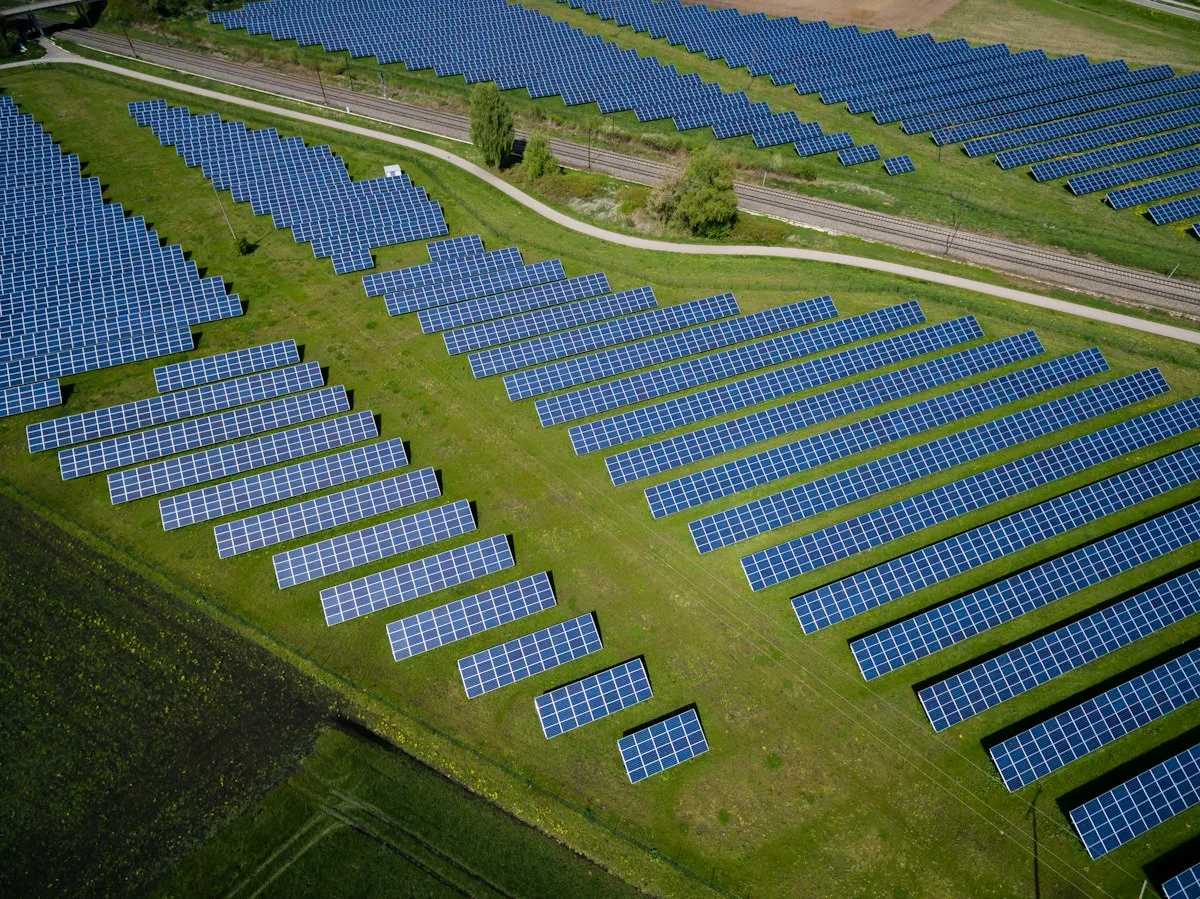
Designing a residential solar photovoltaic array requires deciding where direct current (DC) generated by silicon solar cells is converted into alternating current (AC) used by household appliances. Two architectures dominate modern rooftop installations: decentralized microinverters mounted beneath each individual module versus a centralized wall-mounted string inverter paired with DC power optimizers.
How Do Microinverters Eliminate the Christmas Light Effect?
Our solar engineering field station gathered production telemetry across identical 10 kW arrays over four seasons of changing sun angles, snow cover, and tree leafing.
Rooftop Safety and Rapid Shutdown Compliance
National Electrical Code (NEC) regulations mandate rapid shutdown mechanisms to protect firefighters from dangerous rooftop electrical shock. Microinverters natively comply with rapid shutdown standards because AC voltage cuts out immediately when utility grid power is de-energized, keeping rooftop wiring runs at inherently safe, low voltages.
| Solar Architecture Parameter | Microinverters (Enphase IQ8 Series) | String Inverter + DC Optimizers (SolarEdge) | Forensic Winner |
|---|---|---|---|
| Partial Shading Performance | Panel-level independent MPPT | Panel-level MPPT via optimizers | Tie (Both eliminate string bottlenecking) |
| Single Point of Failure | None (1 failed panel affects only itself) | Central inverter failure halts entire array | Microinverters (Zero total system blackout risk) |
| Rooftop High-Voltage DC Hazard | Low-voltage AC only (< 60V DC at panel) | Up to 400V–600V high-voltage DC on roof | Microinverters (Superior firefighter safety) |
| Warranty Coverage | 25-year comprehensive warranty | 12-year inverter / 25-year optimizers | Microinverters (Matches solar panel lifespan) |
| Upfront Capital Cost | 15% to 25% equipment cost premium | More economical upfront pricing | String Inverter (Lower Day-1 capital outlay) |
If your roof faces a single unshaded direction, a central string inverter with DC optimizers delivers optimal capital efficiency. For complex architectural roofs with multiple azimuths, chimneys, or tree cover, microinverters pay for themselves by eliminating single points of failure and avoiding costly mid-life inverter replacements.