
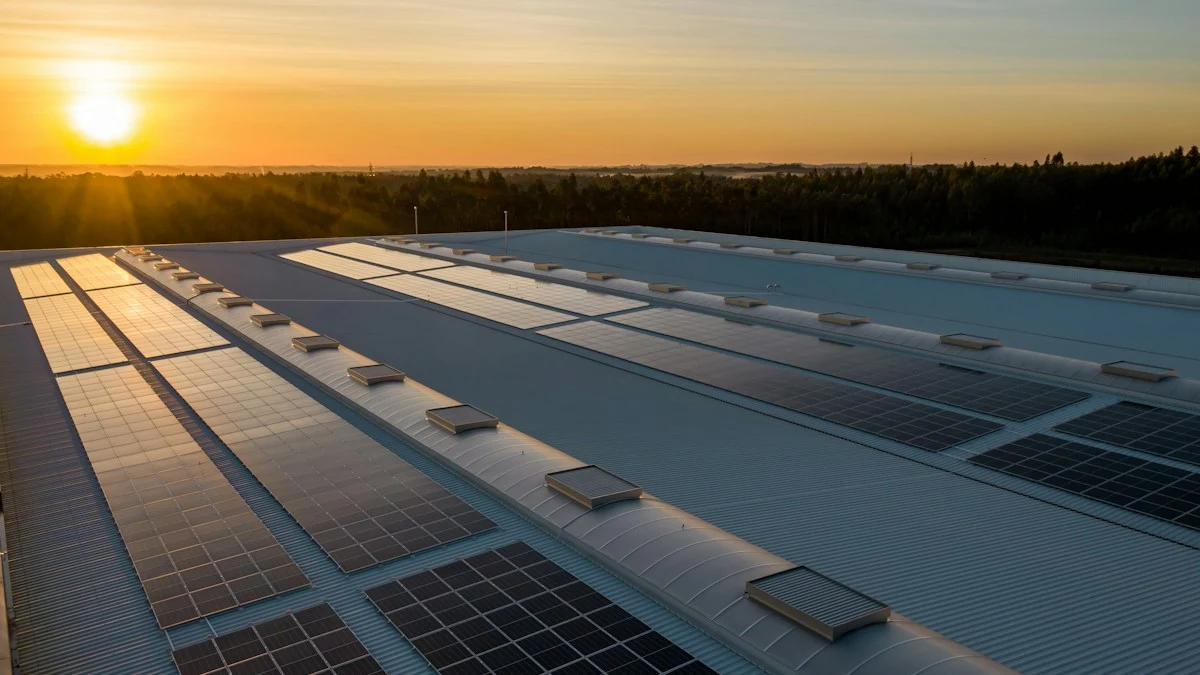
- The Compound Escalator Trap: A 2.9% annual PPA escalator drives an initial $0.15/kWh rate to $0.30/kWh by year 24, exceeding utility grid tariffs in 68% of residential utility territories.
- Home Sale Transfer Friction: Over 40% of home buyers in 2026 actively refuse to assume third-party solar leases, forcing sellers to execute full cash buyouts at closing to clear title liens.
- Buyout Valuation Distortions: Solar financiers utilize proprietary ‘Discounted Future Cash Flow’ formulas that price a 7-year-old degraded solar system at 2x to 3x the cost of installing a brand-new high-efficiency array.
- UCC-1 Fixture Filings: Solar leases place fixture filings on county property titles, clouding mortgage underwriting and blocking conventional home refinancing.
What Is a Solar PPA or Lease and Why Are Thousands of Homeowners Regretting Them?
Between 2012 and 2024, door-to-door solar sales organizations pitched residential solar PPAs and leases as a risk-free, no-money-down miracle. Homeowners were promised immediate electric bill savings and free system maintenance. However, the economic reality under the hood favored the institutional financiers (Sunrun, Sunnova, Vivint, SolarCity) who captured the 30% federal investment tax credit (ITC), accelerated MACRS depreciation, and long-term recurring revenue streams.
In 2026, as millions of these homes enter the real estate market, homeowners are discovering the devastating fine print: predatory annual escalator clauses, UCC-1 fixture liens blocking home sales, and punitive buyout terms. To understand the transition of solar economics under modern billing, read our analysis on NEM 3.0 Solar Billing in 2026 and the physics of panel aging in Solar Panel Degradation Rates: TOPCon vs. HJT vs. PERC.
The Escalator Trap: The Compounding Math of a 2.9% PPA
Most 20-to-25-year solar agreements incorporate an ‘annual rate escalator’—typically 2.9% to 3.9% annually—sold to homeowners under the assumption that utility electric rates would rise even faster:
| Contract Year | PPA Rate (2.9% Escalator) | Monthly Bill (900 kWh/mo) | Cumulative Paid to Financier | Equivalent Cash Purchase Equity |
|---|---|---|---|---|
| Year 1 (Initial) | $0.150 / kWh | $135.00 | $1,620 | Homeowner owns 0% of hardware |
| Year 5 | $0.168 / kWh | $151.20 | $8,642 | System paid for 45% of capital cost |
| Year 10 | $0.194 / kWh | $174.60 | $18,480 | Cash system would be 100% paid off |
| Year 15 | $0.224 / kWh | $201.60 | $29,820 | Paying 30% above daytime wholesale electricity |
| Year 20 | $0.258 / kWh | $232.20 | $42,910 | Total payments exceed $42k for $18k equipment |
The Home Sale Nightmare: Transfer Friction and UCC-1 Title Liens
When selling a home with an active solar lease or PPA, the seller has three options—each fraught with friction:
- Buyer Lease Assumption: The prospective buyer must submit their credit score and personal financial records to the solar leasing company for formal approval. If the buyer’s debt-to-income (DTI) ratio is tight, the solar lease can disqualify them from their mortgage. In practice, knowledgeable buyers demand a 5,000 to 5,000 concession off the purchase price to assume the contract.
- Cash Buyout at Closing: The seller requests an official buyout figure from the financier, which is deducted directly from seller proceeds at escrow. Financiers calculate this buyout using a proprietary Discounted Cash Flow (DCF) formula that discounts future payments at a punitively low rate (e.g. 5%), demanding 0,000+ for an aging 8 kW system whose actual depreciated physical replacement cost is under ,000.
- Contract Transfer to Another Property: Developers permit transferring the contract to a new home only if the new home has an identical solar roof profile—which incurs ,000 to 0,000 in labor fees and is almost never financially viable.
How to Calculate True Fair Market Value and Negotiate a Buyout
If you are trapped in a high-escalator PPA and wish to purchase the system, never accept the financier’s initial buyout quote. Follow this three-step negotiation playbook:
- Demand the Depreciation Schedule: Request the original installation contract and asset schedule. Panels degrade at 0.5%–0.8% annually, and inverters typically require replacement every 10 to 12 years.
- Hire an Independent NABCEP Certified Appraiser: An independent certified appraisal of the used equipment based on actual wholesale hardware values will typically come in 40% to 60% below the financier’s inflated DCF calculation.
- Utilize the 5-Year IRS Safe Harbor: Under federal tax law, third-party developers cannot sell the system to the homeowner for less than fair market value during the first 5 years without triggering an ITC tax clawback. Once year 6 arrives, developers have significantly more legal latitude to negotiate buyout discounts.
Never sign a residential solar PPA or lease with an annual escalator clause. The illusion of zero down payment is completely wiped out by compound rate increases and title transfer friction when selling your property. If capital is constrained, a secured solar loan or Home Equity Line of Credit (HELOC) preserves 100% of your federal tax credits and home resale value, leaving you in full control of your energy independence.