
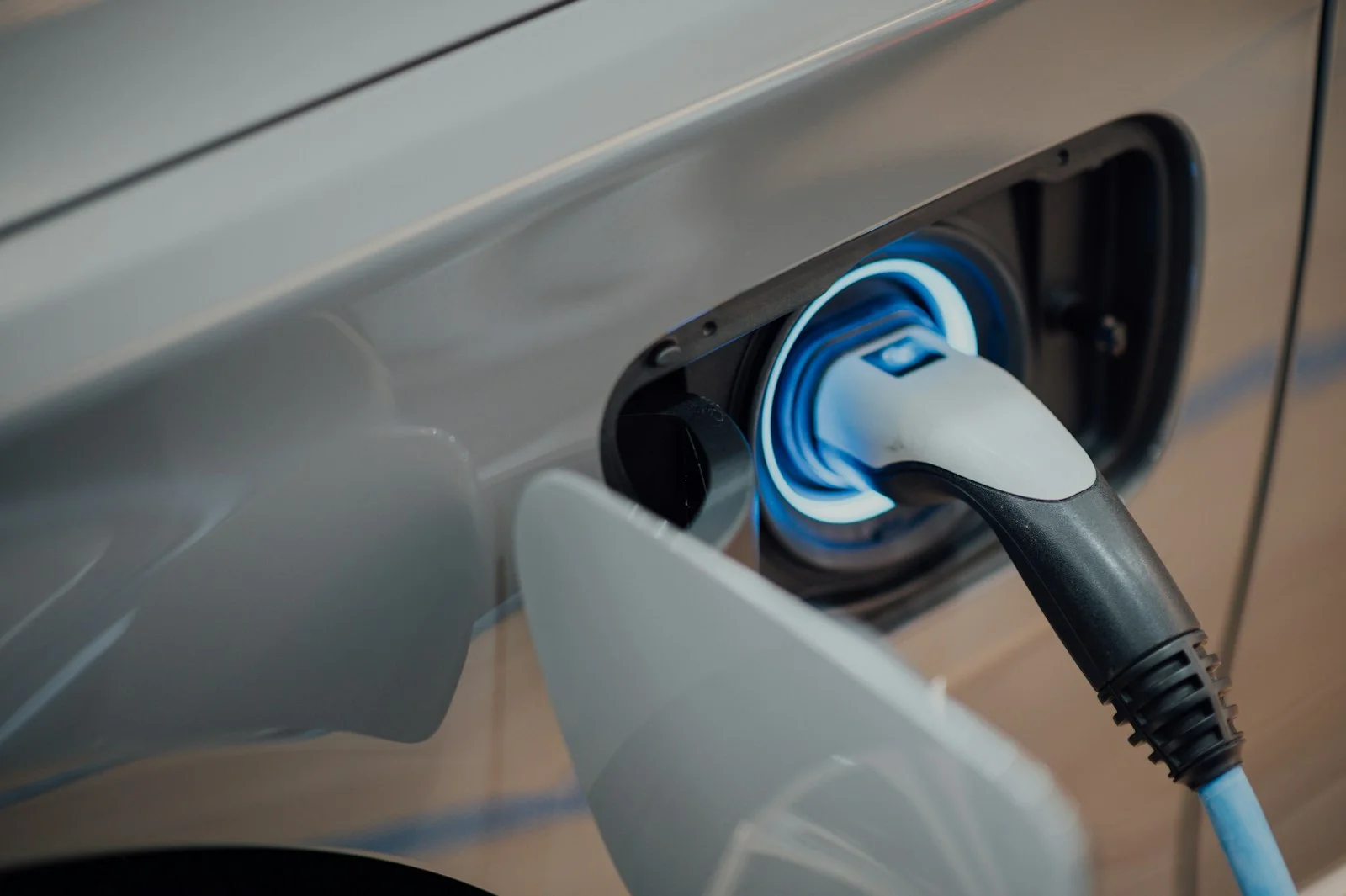
- The Power Delivery Divide: Vehicle-to-Load (V2L) provides 1.8kW to 7.2kW via standalone 120V/240V onboard AC outlets for extension cords, whereas Vehicle-to-Home (V2H) delivers 9.6kW to 19.2kW of synchronized microgrid power directly through the main charge port into an automated home transfer switch.
- The Inverter Location Difference: V2L relies on the vehicle’s compact internal bidirectional onboard charger (OBC), while true whole-home V2H utilizes high-power stationary DC-to-AC wall inverters (e.g., Ford Charge Station Pro, Enphase Bidirectional, Tesla Powershare).
- NEC Backfeed and Neutral-Bonding Legality: Plugging an extension cord from a vehicle’s V2L outlet into a household generator inlet frequently trips the EV’s onboard ground-fault monitor due to dual neutral-ground bond conflicts under NEC Article 250 / 705. True V2H requires dedicated microgrid islanding hardware.
Automakers have flooded the market with acronyms: V2L, V2H, V2G, and V2X. To the average consumer shopping for an electric truck or crossover, marketing brochures often make it seem as though any EV equipped with an AC outlet can instantly power an entire modern home through a multi-day blackout.
In reality, the engineering chasm between Vehicle-to-Load (V2L) and Vehicle-to-Home (V2H) is vast. While V2L is essentially an exceptionally powerful mobile generator that powers power tools and refrigerators through heavy-duty extension cords, V2H is a complex, utility-interconnected microgrid architecture that islands your electrical panel and powers 240V HVAC compressors, well pumps, and lighting circuits seamlessly. Confusing the two leads to frustrated homeowners, dangerous DIY backfeeding attempts, and thousands of dollars in wasted electrical work.
What Is the Difference Between V2L and V2H?
To grasp why these technologies differ in capability and cost, one must look at where the power conversion happens and how safety isolation is handled.
In a V2L setup (such as the Hyundai Ioniq 5, Kia EV6, or Rivian R1T), the vehicle’s high-voltage DC battery pack feeds an internal onboard bidirectional inverter. This inverter converts DC to 120V AC (or split-phase 240V in the Ford F-150 Lightning 7.2kW Pro Power package) and routes it to standard NEMA receptacles in the vehicle cab, bed, or through a J1772 charge port adapter. It is completely isolated from the electric grid.
In a V2H setup (such as the Tesla Cybertruck with Powershare Gateway, or GM Sierra EV with Ultium Home), the vehicle bypasses its internal onboard charger entirely. High-voltage DC current (350V–800V DC) flows directly out of the vehicle through the charge connector into an external stationary bidirectional inverter mounted on the garage wall. That inverter creates a pure sine-wave 120V/240V microgrid, while an automated transfer switch physically disconnects the home from the electric utility within 100 milliseconds.
Forensic Architecture Comparison: V2L vs. V2H Hardware & Cost
The engineering matrix below outlines power limits, electrical interconnect requirements, cost profiles, and operational capabilities:
| Architecture Dimension | Vehicle-to-Load (V2L) | Vehicle-to-Home (V2H) |
|---|---|---|
| Power Output Limit | 1.8 kW to 7.2 kW continuous | 9.6 kW to 19.2 kW continuous |
| Voltage & Phase | 120V single-phase (or 240V on select pickups) | 120V/240V Split-Phase synchronized |
| Interconnection Method | Extension cords (or manual generator inlet) | Hardwired Bidirectional Charger + ATS |
| Home Islanding Automation | Manual (Requires manual cords / breaker throw) | Automatic (<100ms grid disconnect) |
| Can It Run Central Heat Pumps? | No (Limited by surge and voltage) | Yes (Handles up to 5-ton heat pumps + LRA) |
| Installed Equipment Cost | $0 to $1,500 (Inlet + interlock) | $5,000 to $12,000 (Gateway + Inverter) |
The Grounding and Neutral-Bonding Trap with V2L Generator Inlets
Many homeowners attempt to bridge the gap by plugging a 240V generator cable from their truck’s V2L bed outlet (e.g., F-150 Lightning 30A twist-lock) directly into an existing generator inlet box with a mechanical interlock kit on their main panel.
In most instances, the vehicle instantly throws a “Ground Fault Detected” error and cuts power. Why? Because the vehicle’s onboard inverter has a bonded neutral (neutral connected to vehicle chassis ground). When you plug that cable into a residential main service panel, which already has its own neutral-to-ground bond at the main disconnect, you create an illegal parallel neutral-ground bond.
As explored in our technical deep-dive on V2H neutral bonding and grounding codes, resolving this issue requires either a switched-neutral transfer switch (treating the vehicle as a Separately Derived System) or transitioning to a certified V2H microgrid gateway that manages bonding automatically during grid isolation.
Which System Is Right for You?
- Choose V2L If: Your primary blackout priorities are keeping your refrigerator cold, keeping your Wi-Fi and phones powered, running a portable microwave, and operating power tools off-grid. A couple of heavy-duty 12-gauge extension cords and a V2L adapter deliver 90% of survival value for under $200.
- Choose V2H If: You require uninterrupted heating and cooling (central heat pump or mini-splits), live in an area prone to multi-day winter ice storms or wildfires, have medical equipment that cannot tolerate power interruption, and have an EV and home electrical service engineered to support bidirectional DC charging.
Do not be misled by marketing hype: V2L and V2H are distinct engineering classes. V2L is a fantastic camping and emergency extension cord asset that costs almost nothing extra. V2H is a stationary power plant that turns an 80kWh–130kWh EV battery into a legitimate multi-day whole-home resilience fortress. If you want seamless whole-home backup, budget $7,000 to $10,000 for the gateway, inverter, and permitting—do not expect an extension cord adapter to power your heat pump.
Related Bidirectional EV Infrastructure:
Before interconnecting any bidirectional EV system to a residential electrical panel, review our guide on V2H Neutral Bonding: Grounding Codes & Islanding.
To master the electrical wiring codes, transfer switches, and power limits differentiating V2L outlets from whole-home V2H systems, read our report on Bi-Directional EV Charging: CCS vs NACS vs CHAdeMO.