
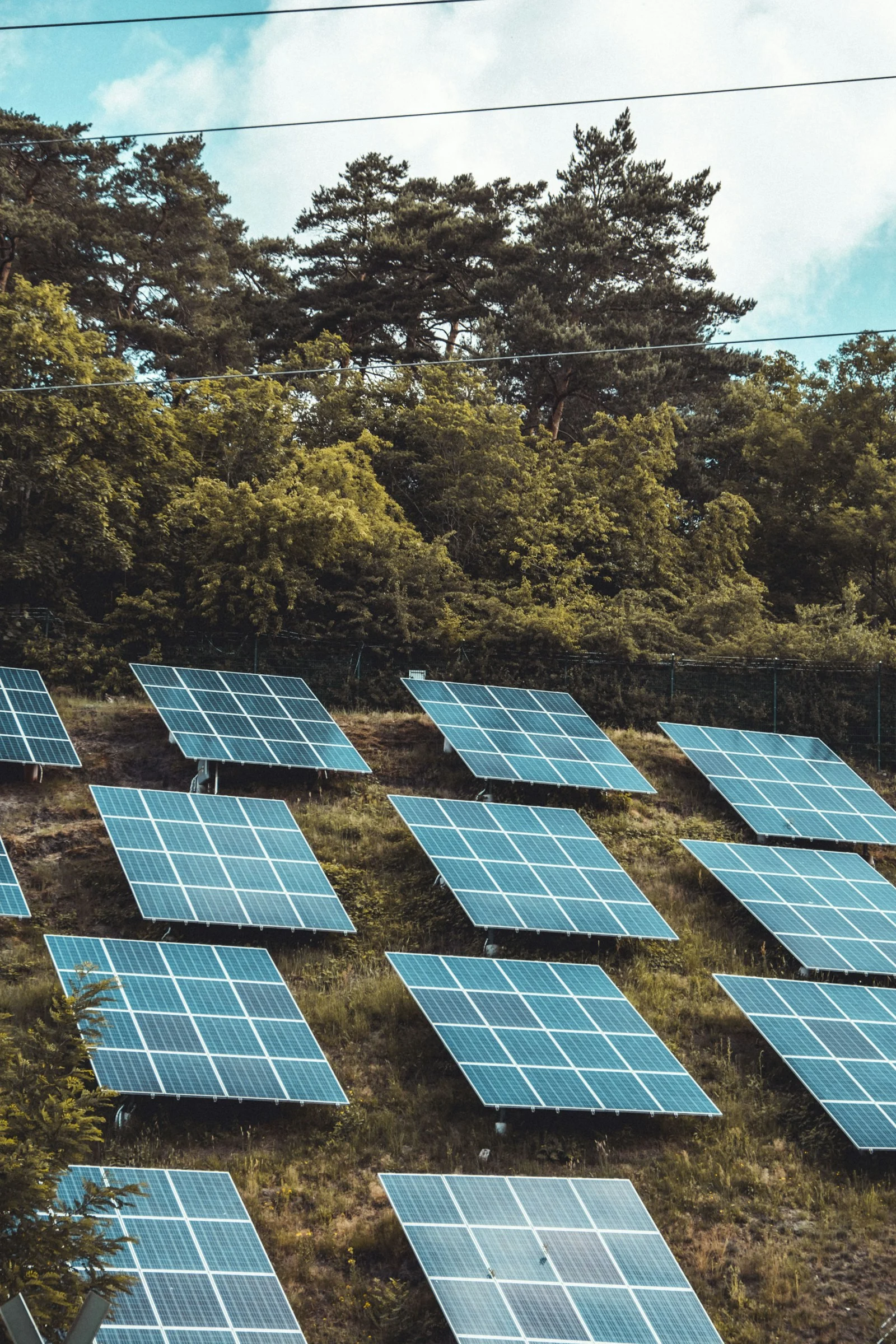
- The Annual Loss Reality Check: Despite widespread consumer anxiety over snow-covered solar panels, empirical NREL studies across northern states and Canadian provinces demonstrate that winter snow cover causes only a 2% to 6% reduction in total annual energy production.
- The Roof Rake Hazard: Using mechanical roof rakes, plastic snow shovels, or broom bristles on photovoltaic modules strips delicate anti-reflective nano-coatings and causes micro-fractures in silicon wafers, voiding manufacturer 25-year power warranties.
- Thermal Creep & Avalanche Shedding: Solar cells are dark absorbers. As long as a small portion of the top edge is exposed to diffuse sunlight, the dark silicon absorbs photon energy, conducts heat through the tempered glass, creates a microscopic water melt barrier, and triggers rapid snow avalanche shedding on roofs pitched >25°.
Every winter, residential solar forum threads fill with frantic questions from northern homeowners: “A foot of snow just buried my solar panels. How do I clear them off safely?” Many well-intentioned owners purchase telescoping roof rakes or attempt hazardous ladder ascents in freezing conditions to manually clear the glass.
From a forensic photovoltaic engineering perspective, manually clearing snow from rooftop solar panels is almost always unnecessary, economically irrational, and physically destructive to the equipment. Understanding how solar arrays interact with sub-zero temperatures, snow loads, and sunlight reveals why letting nature do the work is the optimal strategy.
Should You Clear Snow Off Rooftop Solar Panels?
There are two distinct reasons why manual snow removal is a mistake: the mathematical irrelevance of winter production, and the mechanical fragility of photovoltaic glass coatings.
First, consider annual solar irradiance geometry. In northern latitudes (e.g., latitude 42° to 52°N), December and January feature the shortest daylight hours and the lowest solar elevation angles of the year. A typical 10kW residential array that generates 55 kWh on a sunny June day might only generate 8 to 12 kWh on a clear December day. Even if your panels remain completely covered in snow for an entire week, the lost generation equates to perhaps $8 to $12 in utility credit. Risking personal injury on a freezing roof or damaging a $25,000 array for $10 of electricity fails any rational risk-reward calculation.
Forensic Comparison: Snow Removal Methods vs. Module Health
The engineering comparison below evaluates common homeowner snow removal techniques against module durability and economic return:
| Method | Risk to Solar Module | Safety Hazard | Warranty Impact | Engineering Recommendation |
|---|---|---|---|---|
| Natural Thermal Avalanche (Leave Alone) | Zero (Glass & cells untouched) | Low (Ensure clear drop zone below) | 100% Preserved | Optimal (Gold standard) |
| Telescoping Foam/Rubber Roof Rake | High (Abrasive dirt trapped on glass scratches anti-reflective layer) | Moderate (Overhead falling snow) | May void finish warranty | Not Recommended |
| Chemical De-Icers or Salt | Extreme (Corrodes anodized aluminum frames & seals) | Runoff damages roof shingles & gutters | Voids warranty immediately | Strictly Prohibited |
| Hot Water Spraying | Catastrophic (Thermal shock shatters tempered glass) | Extreme slip hazard on frozen roof | Voids warranty immediately | Strictly Prohibited |
The Physics of Snow Avalanche Shedding
Solar panels do not hold snow the way asphalt shingles do. Asphalt shingles are rough, high-friction, aggregate surfaces designed to grip snow. Solar panels are constructed with ultra-smooth tempered low-iron glass, mounted on a pitch.
More importantly, dark silicon cells are thermodynamic heat sinks. Even when covered by 4 to 6 inches of light snow, approximately 5% to 10% of diffuse sunlight penetrates the snowpack. When those photons hit the dark cells underneath, they generate electrical current and, crucially, resistive heat.
The warmed glass melts the bottom boundary layer of snow, creating a microscopic sheet of water. Because water has an exceptionally low coefficient of static friction against glass, the entire snow slab loses its grip and avalanches off the roof in a dramatic slide. On roofs pitched at 30° or steeper, this self-cleaning avalanche typically occurs on the very first sunny morning following a blizzard.
Furthermore, cold ambient temperatures actually improve solar cell efficiency. Silicon PV cells have a negative temperature coefficient of power (approximately -0.35%/°C). As detailed in our analysis of bifacial solar panels and ground albedo, once snow clears from the front of the array, the surrounding white snow reflecting light onto the modules at 15°F (-9°C) allows cells to produce well above their rated STC (Standard Test Conditions) nameplate wattage.
Designing Solar for Cold Climates: Pitch and Snow Guards
- Optimize Roof Tilt: If building a ground-mount system or adjustable racking, increasing winter tilt to 40°–45° sheds snow almost instantaneously and aligns perpendicular to low winter sun angles.
- Install Snow Guards Above Walkways: Because solar panels shed snow in sudden, massive sheets, never allow panels to drain directly over entryways, garage doors, or HVAC heat pump outdoor units. Install engineered solar snow retention brackets (snow guards) to break up slides.
- Select Portrait Orientation for Microinverters: In landscape orientation, bottom cell rows are often covered by snow dams along the lower frame lip, knocking out bypass diodes. Portrait orientation facilitates cleaner snow clearing.
Put the roof rake back in the garage. Scraping snow off solar panels risks thousand-dollar scratches on tempered glass to rescue a trivial 50 cents of daily electricity. The physics of dark-cell thermal absorption and gravity will shed the snow naturally within hours of clear sunshine. Enjoy the winter view, let your system rest during blizzards, and remember that cold, sunny winter days with ground snow albedo deliver some of the highest peak instantaneous power outputs your inverter will ever see.
Related High-Yield Solar Engineering:
To capture ground snow reflection and boost sub-zero winter production by up to 25%, read our comprehensive guide on Bifacial Solar Panels: Albedo Ground Reflection Guide.
To discover how solar arrays maintain generation throughout freezing Canadian winters without voiding warranties, read our report on Auxiliary Heat Strips: COP 1.0 Energy Bill Shock Guide.