
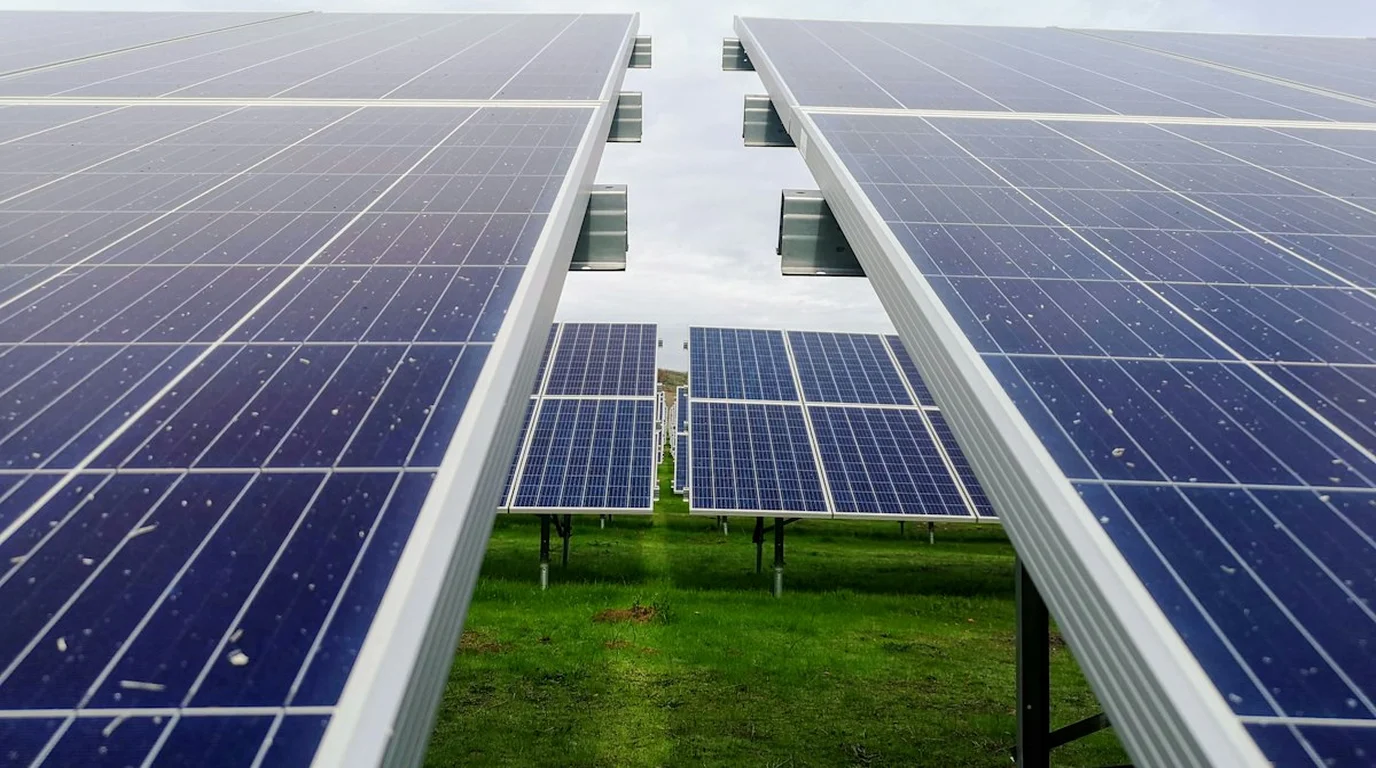
If you own a property with available yard space, a rural acreage, or a suburban home with a shaded, complex roof in 2026, one of the most critical structural choices in clean energy procurement is deciding where your photovoltaic panels should physically live. For the vast majority of urban homeowners, rooftop solar is the default—and often the only—option due to zoning constraints and tight property boundaries.
However, when property owners possess even a modest quarter-acre of unshaded ground, solar installation contractors frequently present two sharply conflicting sales pitches. Rooftop installers claim that roof mounting is far cheaper because the existing roof structure provides free framing, eliminating expensive ground excavation and concrete footings. Conversely, ground-mount specialists argue that rooftop solar is a ticking financial time bomb that guarantees thousands of dollars in future roof de-installation costs, while permanently capping solar generation due to fixed, suboptimal roof azimuths and scorching summer heat degradation.
Neither sales pitch tells the complete truth. Procuring a 25-year residential solar infrastructure requires a rigorous forensic engineering and financial model. You must weigh upfront Earthwork, Trenching & Racking CapEx against 25-Year Thermodynamic Yield Advantages, Bifacial Albedo Gains, Roof Replacement Liabilities, and Property Insurance Surcharges. Let us conduct an exhaustive 25-year Total Cost of Ownership (TCO) and kilowatt-hour generation teardown comparing a 15 kW DC ground-mounted array against a 15 kW DC rooftop installation.
- The Upfront CapEx Premium: Ground-mount solar incurs an upfront cost premium of $0.40 to $0.65 per watt ($6,000 to $9,750 on a 15 kW DC system) due to structural steel ground-screws/concrete footings, directional trenching, and heavy copper wire upsizing for 100+ foot runs.
- Thermodynamic Cell Cooling Bonus: Rooftop solar panels operate 15°C to 22°C hotter than ambient air due to stagnant heat buildup under the roof deck. Ground-mounted panels enjoy unimpeded 360-degree convection airflow, running substantially cooler and delivering a verified 4.8% to 6.2% annual kilowatt-hour bonus from lower thermal degradation.
- Bifacial Albedo Amplification: Utilizing bifacial glass-on-glass modules on a ground array mounted over light-colored crushed gravel or winter snow produces an astonishing 15% to 26% secondary backside energy gain that rooftop flush-mounted panels physically cannot capture.
- The Roof Replacement Shock: Replacing an asphalt shingle roof underneath an existing 15 kW solar array requires a specialized de-installation and re-installation (R&R) service costing $4,500 to $7,200, which erases most of rooftop solar’s initial CapEx advantage.
Which Solar Mounting System Yields Lower Levelized Cost of Energy (LCOE)?
For properties with unshaded land, a ground-mounted bifacial solar array delivers a lower Levelized Cost of Energy ($0.052/kWh vs $0.068/kWh) over 25 years despite a 22% higher upfront installation cost. Superior convection cooling, optimal true-south tilt, bifacial albedo gains, and zero roof de-installation fees make ground-mount solar the mathematically superior long-term investment.
To understand why ground mounting outperforms rooftop solar over a quarter-century, we must analyze four core engineering and financial dimensions: Upfront Civil Engineering & Trenching Math, Thermodynamics & Bifacial Physics, Maintenance & Snow Removal Ergonomics, and Forensic 25-Year 15 kW Financial Modeling.
1. Civil Engineering & Trenching: The Hidden Upfront Ground Costs
The primary barrier preventing homeowners from deploying ground-mount solar is the upfront civil engineering and ground installation expense. While rooftop solar simply bolts aluminum rails into existing wooden roof rafters with lag bolts and flashing, a ground array is an independent civil structure subject to severe wind uplift and soil frost-heave engineering:
- Foundation Anchors: Ground arrays require either deep concrete pier footings (typically 8 to 12 holes augered 4 to 6 feet deep, below the local frost line) or modern ground-screws driven by hydraulic machinery. On rocky or high-clay terrain, geotechnical drilling can add $2,500 to $4,500 in specialized equipment labor.
- Trenching & Conduit Runs: In most residential settings, the ground array sits 75 to 200 feet away from the home’s main electrical service panel to avoid shade trees and maximize visual aesthetics. Trenching a 24-inch or 36-inch deep trench (meeting NEC 300.5 burial depths for direct-burial or rigid nonmetallic PVC conduit) costs approximately $12 to $18 per linear foot.
- Voltage Drop & Wire Sizing: Running a 60A solar feeder across 150 feet requires upsizing electrical conductors from standard #6 AWG copper to #4 or #2 AWG aluminum or copper to keep voltage drop below the 2% threshold mandated by National Electrical Code recommendations. Thicker conductors and heavy 2-inch Schedule 40/80 PVC conduit add approximately $1,200 to $1,800 to total procurement costs.
2. Thermodynamics & Convection: Why Cool Panels Generate More Power
Solar photovoltaic modules are rated in laboratory Standard Test Conditions (STC) at an ambient cell temperature of 25°C (77°F). However, under bright summer sunlight, solar cells absorb massive infrared radiation.
Every photovoltaic cell possesses a Temperature Coefficient of Maximum Power (Pmax), typically ranging from -0.30% to -0.38% per degree Celsius for modern monocrystalline silicon (TOPCon/PERC). This means that for every 1°C increase in cell temperature above 25°C, electrical power output drops by over a third of a percent:
Rooftop Thermal Trapping
When solar panels are installed flush on a sloped asphalt roof with standard 4-inch standoff brackets, air circulation beneath the modules is severely constricted. The dark asphalt shingles underneath absorb solar heat and radiate it directly back into the underside of the panels. In mid-July with 32°C (90°F) ambient outdoor temperatures, rooftop solar cells routinely reach blistering internal temperatures of 65°C to 75°C (149°F to 167°F).
At 70°C cell temperature (a 45°C delta above STC), a 400W solar panel with a -0.35%/°C temperature coefficient suffers a continuous 15.75% thermal power derating, generating only 337 watts at peak solar noon!
Ground-Mount Convection Cooling
A ground-mounted array sits several feet above the soil or gravel, open to ambient wind from all four sides. Free convection and natural wind currents continuously sweep heat away from both the front glass and the rear backsheet. In identical 32°C summer conditions, ground-mounted solar cells operate between 48°C and 54°C—nearly 20°C cooler than rooftop arrays. This thermal advantage alone delivers an extra 7% power output during the hottest, highest-producing hours of the year.
3. Bifacial Albedo: The 20% Free Energy Multiplier
Perhaps the single greatest engineering advantage of ground-mounted solar in 2026 is the ability to deploy Bifacial Glass-on-Glass Solar Modules. Bifacial panels feature transparent rear glass that absorbs reflected light bouncing off the ground beneath the array.
On a rooftop, flush mounting prevents sunlight from ever reaching the rear of the panel, rendering bifacial modules completely useless. On a ground array elevated 36 to 48 inches above grade, the rear cells capture reflected diffuse sunlight known as Albedo Radiation:
- Natural Grass / Dark Dirt: Reflects approximately 15% to 20% of ambient light, providing a +8% to +12% bifacial energy gain.
- White Crushed Limestone / Gravel: Placing a 3-inch layer of crushed white stone beneath the ground array reflects 40% to 55% of light, boosting total energy generation by +16% to +22%.
- Winter Snow Ground Cover: Fresh snow possesses an extraordinarily high albedo of 80% to 90%. When snow covers the surrounding field, the backside of a bifacial ground array generates tremendous electrical power even on overcast winter days, while heat generated by internal electrical resistance helps melt front-side snow twice as fast.
Head-to-Head 25-Year Forensic Financial Modeling: 15 kW DC System
| Cost & Performance Metric (25-Year Lifecycle) | 15 kW DC Ground-Mount Bifacial Array | 15 kW DC Rooftop Monofacial Array | 25-Year Engineering Verdict |
|---|---|---|---|
| Initial Equipment & Racking CapEx | $14,500 (Steel Racking + Bifacial Panels) | $11,200 (Roof Rails + Standard Panels) | Rooftop equipment $3,300 cheaper |
| Civil Engineering / Installation Labor | $11,500 (Piers, 150ft Trenching, Conduit) | $6,800 (Rooftop Stanchion Installation) | Ground civil works cost $4,700 more |
| Total Turnkey Upfront Cost (Before Tax Credit) | $34,500 ($2.30 / Watt) | $27,000 ($1.80 / Watt) | Rooftop saves $7,500 upfront |
| Annual Kilowatt-Hour Generation (Year 1) | 24,800 kWh (Cooling + Bifacial Gain) | 19,500 kWh (Fixed Azimuth + Heat Drag) | Ground produces +27.1% more energy! |
| Roof Replacement De-Install / Re-Install (Year 15) | $0 (Ground array never touches roof) | $5,800 (Remove, Store & Re-rack 38 Panels) | Ground avoids massive future fee |
| 25-Year Cumulative Clean Energy Output | 572,000 kWh | 435,000 kWh | Ground delivers +137,000 bonus kWh |
| 25-Year Levelized Cost of Energy (LCOE) | $0.052 per kWh | $0.068 per kWh | Ground is 23.5% cheaper per kWh |
The Operational Moat: Snow Clearing, Maintenance & Roof Leaks
Beyond the pure financial calculations, the daily operational reality of living with solar over twenty-five years reveals stark lifestyle differences:
- Winter Snow Clearing: In northern climates, rooftop solar can remain completely covered by heavy crusty snow for weeks. Clearing snow from a 30-degree two-story roof is lethally dangerous. With a ground mount, you can walk out with an extended foam snow rake and clear the entire array in twenty minutes from the safety of the lawn.
- Inverter & Optimizer Serviceability: If a microinverter or DC optimizer fails on a rooftop array, a certified solar technician must set up 28-foot extension ladders, wear safety harnesses, unbolt panels on a steep roof pitch, and charge $350 to $500 per service call. On a ground array, every optimizer, cable connection, and junction box is easily reachable at chest height with standard tools.
- Roof Penetration & Insurance Risks: A typical 15 kW rooftop array requires 60 to 80 lag-screw penetrations into your roof decking and rafters. While modern flashing boots (QuickMount, IronRidge) are reliable when installed perfectly, improper sealant application inevitably causes hidden attic water leaks over a 15-year horizon. Furthermore, many property insurance carriers in storm-prone regions now levy higher deductibles or surcharges on homes with large rooftop solar arrays.
The 4:00 PM Actionable Implementation Playbook: Siting Your Solar Array
To choose and execute the ideal solar mounting architecture for your property, follow this structured roadmap:
- Step 1: Audit Remaining Roof Shingle Lifespan: Inspect your asphalt shingles. If your roof is more than 8 to 10 years old, never install rooftop solar without replacing the roof first. Paying $6,000 in Year 7 to unbolt and re-install solar panels will destroy your solar return on investment. If roof replacement is financially out of reach, look immediately to a ground mount.
- Step 2: Calculate Ground Shading & Setback Constraints: Use a solar pathfinder app (Solar Survey, SunSeeker) to map tree canopy shadow angles throughout the winter solstice (December 21). Ensure your proposed ground location provides an unobstructed true-south solar window from 09:00 AM to 03:30 PM. Verify local municipal property line setbacks (typically 10 to 25 feet).
- Step 3: Specify Bifacial Modules & Crushed Stone: If deploying a ground array, mandate Tier-1 Bifacial Glass-on-Glass Modules (Canadian Solar BiHiKu7, JinkoSolar Tiger Neo, LONGi Hi-MO). Spread a 3-inch layer of crushed white limestone or reflective recycled gravel beneath the array footprint to maximize ground albedo reflectance.
- Step 4: Insist on Seasonal Tilt Adjustability: Select ground racking (such as IronRidge Ground Mount or MT Solar) that includes adjustable tilt legs. Adjusting your array angle twice a year—steepening to 55° in November for low winter sun and snow shedding, and flattening to 25° in May—boosts annual generation by an additional 4.5%.
If you lack land, rooftop solar remains a fantastic way to slash utility bills. But if you have open unshaded yard space, opting for rooftop panels is a massive long-term mistake. Ground-mounted bifacial solar costs more upfront, but it runs cooler, generates 27% more kilowatt-hours every single year, protects your roof from damage, and delivers the lowest 25-year Levelized Cost of Energy in residential clean technology.
Before sizing hydronic heat pump electrical consumption for winter heating loads, balance your annual photovoltaic output. Review our solar production analysis: Air-to-Water Heat Pumps: Monobloc vs Split Hydronic →