
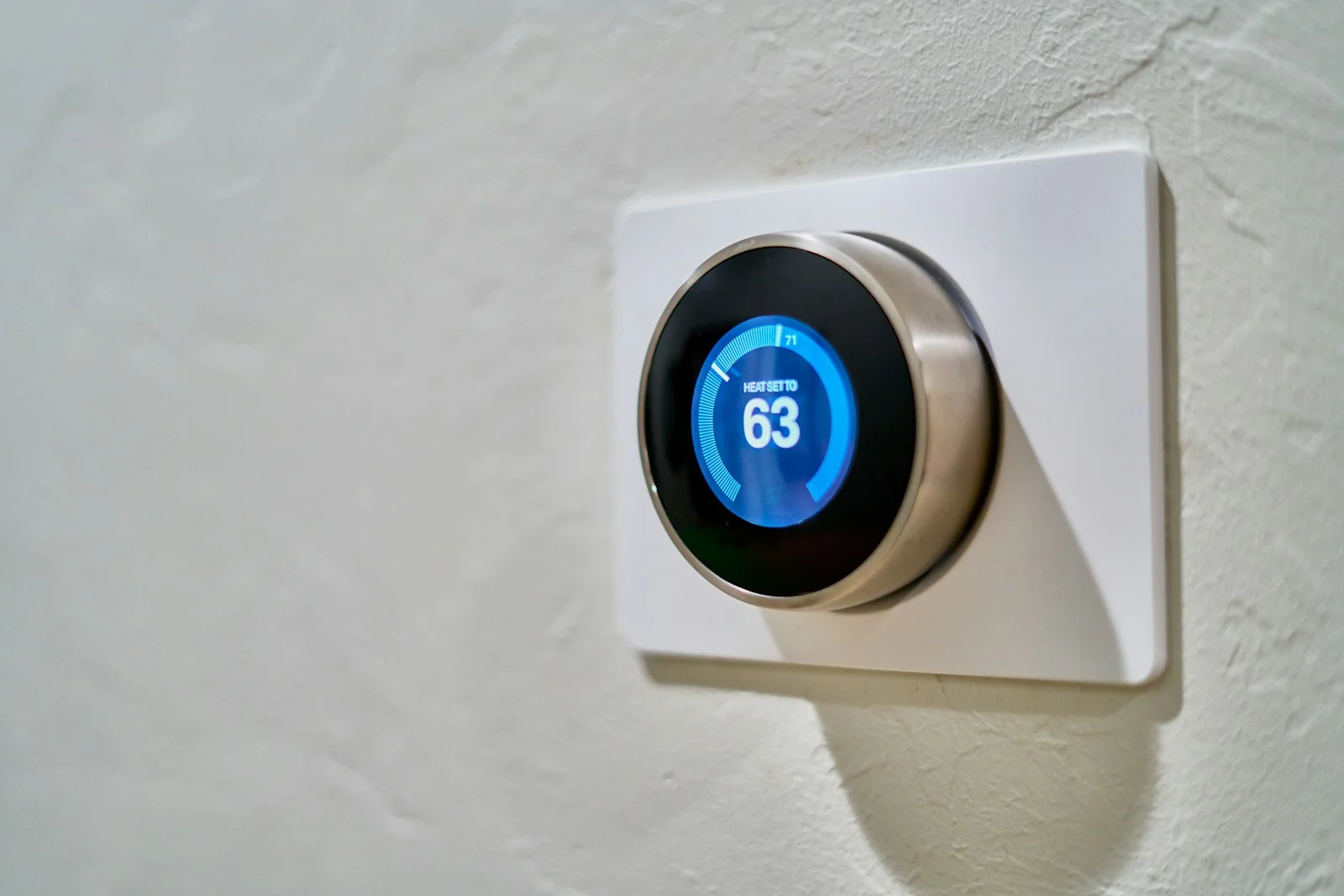
- The Gas Furnace Legacy Trap: Dropping thermostat temperatures by 5°F to 8°F overnight saves money on single-stage gas furnaces, but violently inflates electric bills on modern variable-capacity inverter heat pumps.
- The Strip Heat Trigger: In the morning recovery window, a 4°F+ temperature delta triggers smart thermostats (Nest, ecobee, Honeywell) to engage 10kW to 15kW electric resistance auxiliary strips (COP 1.0), erasing hours of high-efficiency compressor savings in 45 minutes.
- Inverter Modulation Physics: Variable-speed vapor-injection compressors achieve their highest coefficient of performance (COP 3.2–4.0) when running continuously at low RPM (20%–40% capacity), maintaining thermal equilibrium with zero thermal overshoot.
For decades, North American homeowners were drilled on the golden rule of residential energy conservation: dial the thermostat down 8°F before bed, and let the heating system recover shortly before the morning alarm. With a conventional natural gas or oil furnace, this advice is thermodynamically sound. Fossil fuel burners operate at fixed combustion efficiency (whether 80% or 96% AFUE) regardless of load; fewer hours burning fuel translates directly to lower utility bills.
When applied to modern variable-speed inverter heat pumps, however, this habit becomes a financial catastrophe. Homeowners frequently replace their aging gas furnace with an ultra-efficient cold-climate heat pump, continue their legacy nighttime setback routine, and open their first winter electric bill to find charges exceeding $600. Understanding why heat pumps demand a strict “set it and forget it” operational philosophy requires unpacking compressor modulation dynamics and auxiliary heat lockout logic.
Does Lowering Your Thermostat at Night Save Money on a Heat Pump?
The core issue is that heat pumps do not generate heat through rapid combustion; they pump thermal energy from outdoor ambient air into the conditioned space via refrigerant phase changes. A modern inverter heat pump is designed to sip power, modulating down to 25% compressor capacity to precisely match the dwelling’s hourly envelope heat loss.
When you drop indoor temperatures from 70°F (21°C) down to 63°F (17°C) at 10:00 PM, the heat pump shuts off entirely. During the night, the building’s thermal mass—hardwood floors, drywall, furniture, and foundation slab—cools down significantly. At 6:00 AM, when the schedule demands a 7°F jump back to 70°F, the thermostat algorithm calculates that the compressor alone cannot satisfy the recovery load within the target timeframe.
Forensic Energy Audit: Constant Temperature vs. Night Setback Recovery
The engineering comparison below illustrates power draw, efficiency curves, and kilowatt-hour consumption between steady-state operation and nighttime setbacks in a typical 2,200 sq. ft. home at 28°F (-2°C) ambient temperature:
| Operating Strategy | Nighttime Draw (8 hrs) | Morning Recovery (2 hrs) | Aux Heat Engaged? | Effective System COP | Total Morning Energy |
|---|---|---|---|---|---|
| Set and Forget (Constant 69°F) | 1.4 kW (modulating low) | 1.6 kW (steady modulation) | No (0 kW strips) | COP 3.4 | 3.2 kWh |
| Standard Setback (63°F Night / 69°F Day) | 0.2 kW (standby idle) | 3.8 kW comp + 10 kW strips | Yes (Stage 2 strips fire) | COP 1.3 blended | 24.6 kWh |
| Algorithmic Ramp (ecobee Smart Recovery) | 0.8 kW (intermittent) | 2.9 kW comp (full speed) | Strips locked out >25°F | COP 2.6 | 8.7 kWh |
The Thermodynamic Trap: Why Reheating Thermal Mass Destroys Efficiency
When you drop indoor air temperatures overnight, heat continuously radiates out of the home’s structure. Drywall, floor joists, furniture, and concrete subfloors cool down. Air has a very low volumetric heat capacity (approximately 0.018 BTU/cu.ft./°F), but dense building materials store massive thermal energy.
When the heat pump restarts in recovery mode, warm air discharged from supply registers is instantly absorbed by cold surfaces. Even if indoor air reaches 69°F within 30 minutes, the walls remain cold, creating radiative discomfort. As a result, occupants feel chilly and crank the thermostat higher, compounding the electrical penalty.
Furthermore, compressor efficiency obeys the laws of Carnot thermodynamics. As documented in our technical teardown on cold-climate heat pumps at -25°C, an inverter compressor running at full speed experiences elevated compression ratios, higher discharge temperatures, and increased lift, which depresses its instant COP from 3.5 down to 2.2. Maintaining steady-state operation allows the unit to run at low compression ratios where thermodynamic efficiency is optimized.
How to Configure Smart Thermostats for Heat Pumps
If you prefer cooler sleeping conditions for sleep hygiene, follow these strict engineering configurations to prevent auxiliary heat from triggering:
- Limit Setback Delta to Maximum 2°F (1°C): Setting the thermostat from 69°F down to 67°F allows comfortable sleep without depleting the thermal mass of the home.
- Lock Out Auxiliary Electric Strips Above 25°F (-4°C): Access technician settings on your ecobee or Honeywell T9. Set the “Aux Heat Max Outdoor Temperature” parameter to 25°F (or your equipment’s verified thermal balance point). This mechanically prevents resistance strips from energizing during morning recovery.
- Enable Minimum Stage-1 Runtime: Force the system to attempt heating for at least 60 to 90 minutes on heat pump compressor alone before auxiliary staging is permitted.
- Leverage Reverse Staging: Ensure the thermostat deactivates auxiliary heat as soon as room temperature is within 1°F of setpoint, rather than running strips all the way to satisfaction.
The “set and forget” rule is not marketing rhetoric—it is basic refrigeration engineering. Modern variable-capacity inverter heat pumps are designed to cruise like highway commuters, not sprint like drag racers. Dropping thermostat temperatures more than 2°F overnight forces your high-tech $14,000 heat pump to run like a $30 space heater. Pick a comfortable setpoint, lock out auxiliary resistance strips above freezing, and let the inverter modulate naturally.
Related Cold-Climate HVAC Analysis:
To prevent auxiliary resistance strips from engaging during sub-zero heating cycles, review our complete forensic guide on Heat Pump Auxiliary Heat: Stop High Electric Bills.
To discover why deep nighttime temperature drops paradoxically spike electrical bills on inverter compressors, read our investigation on Heat Pump Defrost Cycle: Steam, Noise & Ice Buildup.