
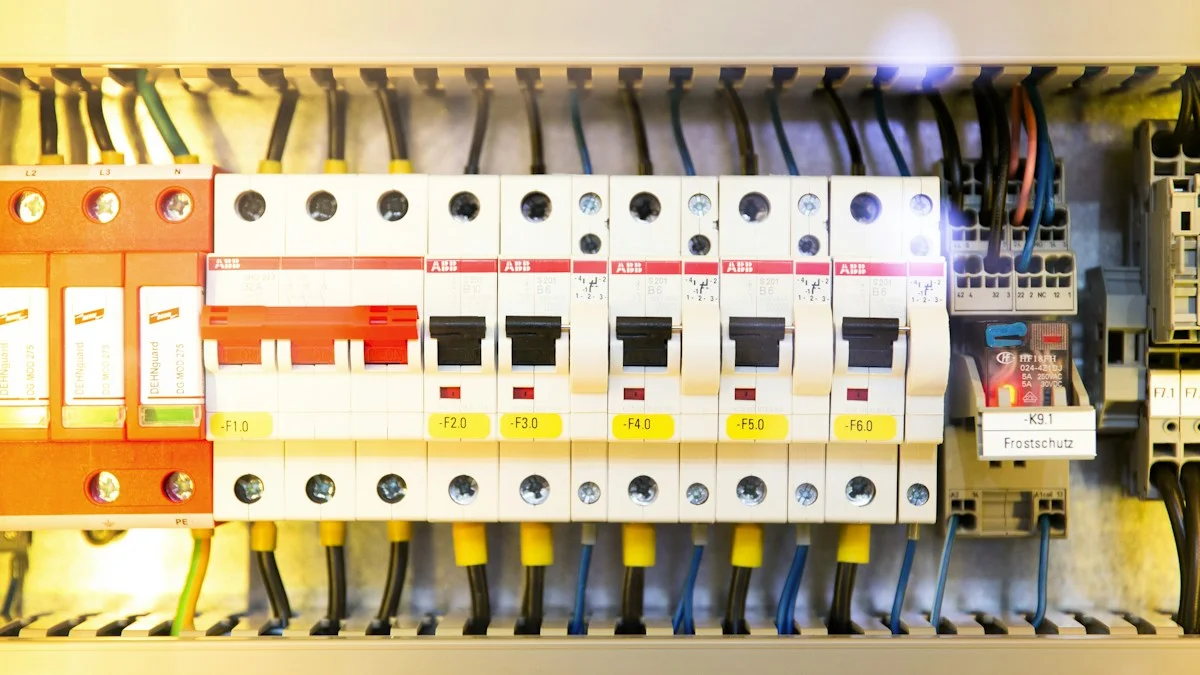
- Utility Service Bottleneck: Upgrading a residential electrical service from 100A to 200A costs $4,000 to $9,000 and requires 6 to 18 months of utility grid transformer queue delays.
- Dynamic Load Shedding: Smart electrical panels (like SPAN or Schneider Pulse) monitor service amperage 100 times per second, dynamically throttling high-draw loads (EV charging, water heaters) to prevent main breaker trips.
- Subpanel Limitation: A traditional dumb subpanel merely adds breaker slots; it cannot prevent service overload on a 100A main service bus.
Can You Fully Electrify a Home on a 100A Main Service?
When homeowners begin their residential electrification journey, contractors routinely tell them that a 200-amp service upgrade is legally mandatory under NEC Article 220 load calculations. Traditional static load calculations assume every major 240V appliance in the home operates simultaneously at peak nameplate capacity.
In reality, peak coincidence factor across residential electrical appliances is exceptionally low. A homeowner rarely runs an electric clothes dryer, induction cooktop on boost, oven self-clean cycle, and 48A EV charger at the exact second the heat pump compressor surges. Smart electrical panels solve this mathematically by monitoring main bus current in real time, making dynamic load management on 100A panels possible.
Why a Traditional Subpanel Fails to Solve the 100A Limit
Many budget electricians recommend adding an inexpensive 60A or 100A subpanel when the primary breaker box runs out of physical slots. While this allows the physical mounting of new 240V double-pole breakers, it does nothing to prevent cumulative overload. If the combined simultaneous draw exceeds 100 amps for several minutes, the main service breaker thermal-magnetic trip mechanism fires, plunging the entire home into darkness.
In contrast, a smart electrical panel contains solid-state contactors on individual branch circuits. Under NEC Article 750 (Energy Management Systems), an intelligent panel is legally permitted to dynamically shed or pause non-critical loads (like vehicle charging or pool pumps) the moment total household consumption approaches 80% of service capacity (80 amps on a 100A service).
| Electrification Factor | Smart Electrical Panel (SPAN / Pulse) | Traditional Dumb Subpanel | Utility 200A Service Upgrade |
|---|---|---|---|
| Hardware & Labor Cost | $4,500 – $7,000 installed | $1,200 – $2,200 installed | $4,000 – $9,000+ utility fees |
| Utility Bureaucracy Delay | Zero (Permitted locally in days) | Zero (Local permit only) | 3 to 18 months waiting for utility |
| Overload Protection Method | Automated sub-second load shedding | None (Main breaker trips) | Larger physical service conduit |
| Circuit-Level Control | 32 smart controllable circuits via app | Zero remote control | Zero remote control |
| Home Battery Integration | Extends battery backup 40% via shedding | Requires separate critical subpanel | Requires dedicated backup subpanel |
Financial Payback: Smart Panel vs. Utility Transformer Upgrade
Furthermore, during power outages, smart panels dynamically shed heavy resistive loads (like clothes dryers or air conditioners) when running on home battery storage. By restricting power exclusively to refrigeration, lighting, and networking, a modest 10 kWh battery can sustain a household for three times longer than on an unmanaged subpanel.
People Also Ask
What is an NEC 750 Energy Management System?
NEC Article 750 governs Energy Management Systems (EMS) that actively control electrical loads. It allows contractors to install additional appliances on smaller electrical services by certifying that the system will automatically shed loads before the service threshold is exceeded.
How much does a SPAN smart electrical panel cost installed?
A SPAN panel unit costs approximately $3,500 for the hardware, with professional electrician installation labor ranging between $1,500 and $3,000 depending on panel relocation and grounding requirements.
Can I add an EV charger and heat pump on a 100-amp panel?
Yes, provided you use an automated load management device (like a SimpleSwitch or DCC box) or install a smart panel that dynamically throttles the EV charger whenever the heat pump compressor cycles on.